
You love brisket—the smoky bark, the juicy slices, that melt-and-chew magic—and I get it. But here’s the rub: it’s packed with protein, iron, and zinc, yet it can sneak in saturated fat, sodium, and some not-so-great byproducts from high heat. You don’t have to break up with it. You just need a smarter strategy: leaner cuts, better portions, kinder cooking, smarter sides. Curious how to keep the flavor and ditch the fallout? Pull up a chair.
What Is Brisket and How Its Cut Affects Nutrition
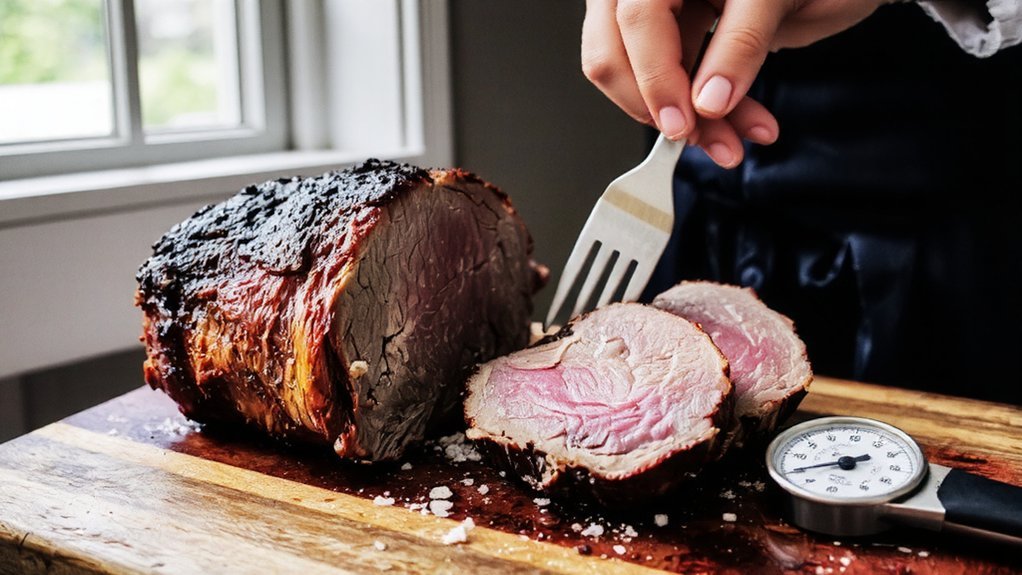
Brisket, the belly-side heavyweight of the cow, is a tough, hardworking muscle that turns melt-in-your-mouth tender when you treat it right—and its cut changes what ends up on your plate and in your body. You’ve got two main brisket cuts: the leaner flat and the richer point. I love both, but they don’t love your macros equally. The flat, trimmed, brings lower fat, cleaner slices, and tidy portions for a crowd. The point, marbled and moody, drips with flavor, and, yes, calories.
Here’s where nutritional differences matter. Fat content swings with trimming, cooking method, and your knife skills. Smoke slow, render gently, blot excess, and you’ll serve generosity without overdoing it. Cooking for others? Choose the cut to match their needs, their goals, their smiles.
Key Nutrients: Protein, Iron, Zinc, and B Vitamins
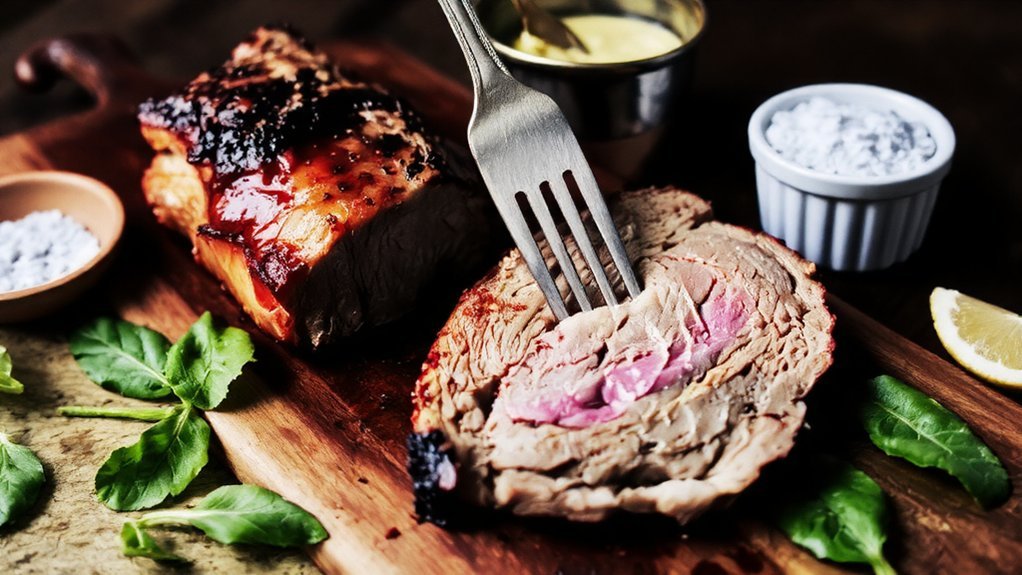
Smoke curls up, your fork sinks in, and under all that bark and bliss sits a legit nutrient package: protein, iron, zinc, and B vitamins doing the heavy lifting. You want nutrient density that serves people well? Brisket brings it.
Protein rebuilds tissue after long days on your feet, fuels muscle recovery, and keeps you satisfied when you’re feeding a crowd. Iron delivers oxygen to hardworking cells, so you don’t fade during cleanup duty. Zinc backs immune defenses, handy when you’re cooking for half the neighborhood. B vitamins—B12, niacin, riboflavin, B6—help you turn brisket into usable energy, keep nerves steady, and support focus when the line gets long.
Plate it thoughtfully, slice across the grain, and share the good stuff, tender, juicy, generous.
Health Concerns: Saturated Fat, Sodium, and High-Heat Byproducts
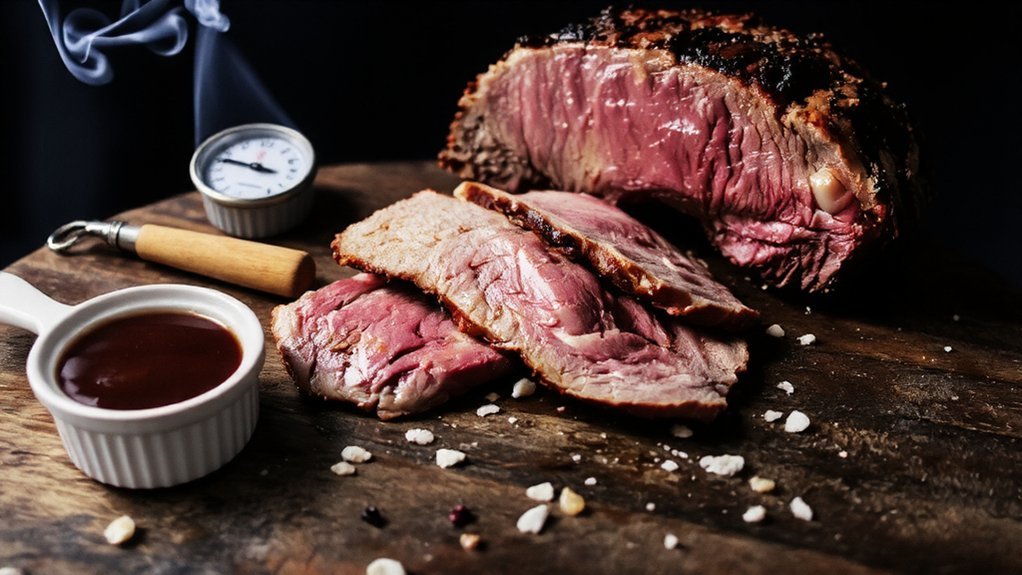
All that power-packed goodness comes with baggage, and I’m not here to hide the suitcase. When you choose brisket, you’re also choosing saturated fat, which can nudge LDL cholesterol up, putting hearts you care for on the line. The sodium content from rubs, injections, and sauces? It stacks fast, and blood pressure doesn’t miss a beat. Then there’s the heat show: high flames, sizzling fat, smoke kissing the bark. Delicious, yes. But charring can form HCAs and PAHs, those grumpy byproducts tied to higher cancer risk.
Picture the plate: glossy slices, rich aroma, juices pooling. Now picture the people you serve. You want strength, not strain. So you weigh portions, question the salt, mind the fire’s drama, and keep the celebration, not the consequences.
Smarter Prep and Cooking Methods for a Healthier Brisket
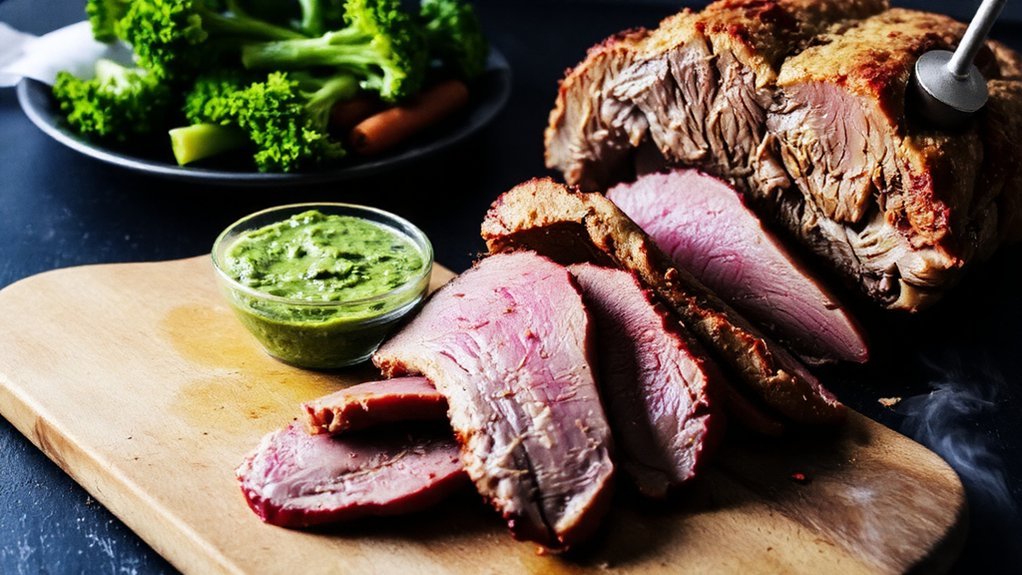
Though the rub-and-rumble of barbecue culture loves drama, you can make brisket that flexes flavor without punishing your arteries. Trim heavy surface fat, leave a modest cap, then lean on bright marinade options—citrus, vinegar, garlic, herbs—to tenderize and cut richness. I’m a fan of low-and-slow cooking techniques that tame flare-ups and keep juices in the meat, not on your plate. Think steady heat, clean smoke, and patience. You’re feeding people, not a bonfire.
Low-and-slow brisket: bright marinades, clean smoke, steady heat—flavor without the bonfire drama.
- Dry-brine overnight, then rinse lightly; you’ll boost flavor while managing sodium.
- Marinate with acid-forward blends; add mustard for cling, honey for balance.
- Use indirect heat at 225–250°F; avoid char, chase mahogany.
- Add a water pan; humid air preserves moisture, reduces smoke nasties.
- Rest, slice against the grain; serve lean first.
How to Portion, Pair, and Fit Brisket Into a Balanced Diet
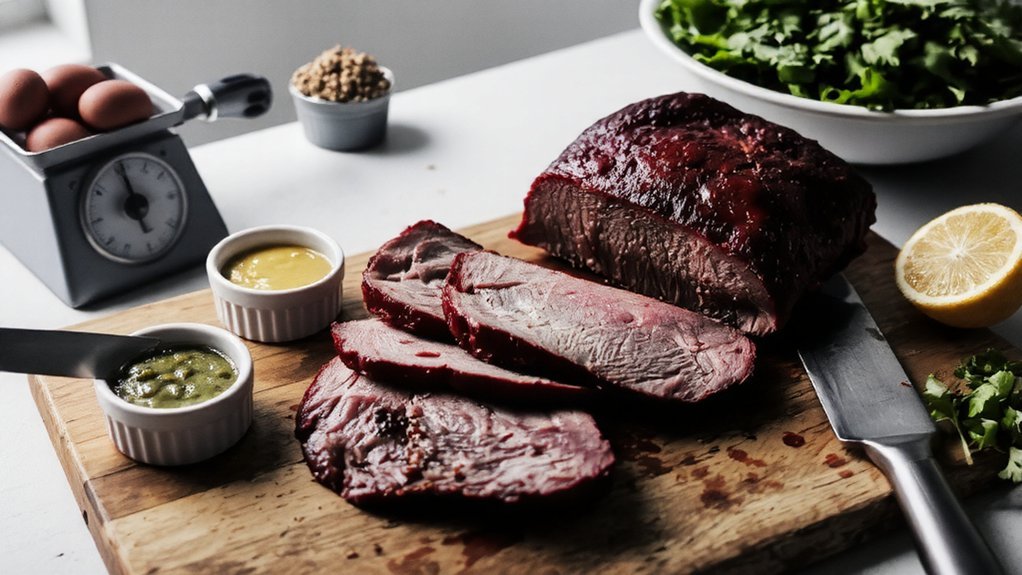
Because brisket can sprint past your calorie budget faster than a loose shopping cart, I treat it like the headliner, not the whole festival. You lead with portion control: 3–4 ounces cooked, about a deck of cards, sliced lean, fat trimmed. Plate it second, not first.
Now build balanced meals. Heap roasted veggies—carrots, Brussels sprouts, peppers—let their char and sweetness play backup. Add a fist of whole grains: farro, brown rice, or cornbread, not the slab-sized kind. Brighten with slaw kissed by vinegar, not mayo. Spoon on tangy sauce, go light.
Feeding a crowd? Pre-slice, mix with beans, stretch flavor without blowing budgets. Schedule brisket after workouts, sip water, slow down bites. Leftovers? Dice into tacos, pile onto greens, keep the spotlight, not the stage.