
Last weekend I pulled a brisket off a pellet grill that snapped with a peppery bark, while my buddy swore his electric smoker made slices so juicy they shimmered. You want smoke that bites, or comfort-food tender? Electric keeps temps steady, your nerves calmer, and the meat plush. Pellets bring richer wood flavor, crisper bark, and a bit more tinkering. I’ll lay out the trade-offs—flavor, control, cost, and a surprise most folks miss—so you can pick your pit.
Smoke Flavor and Bark Development
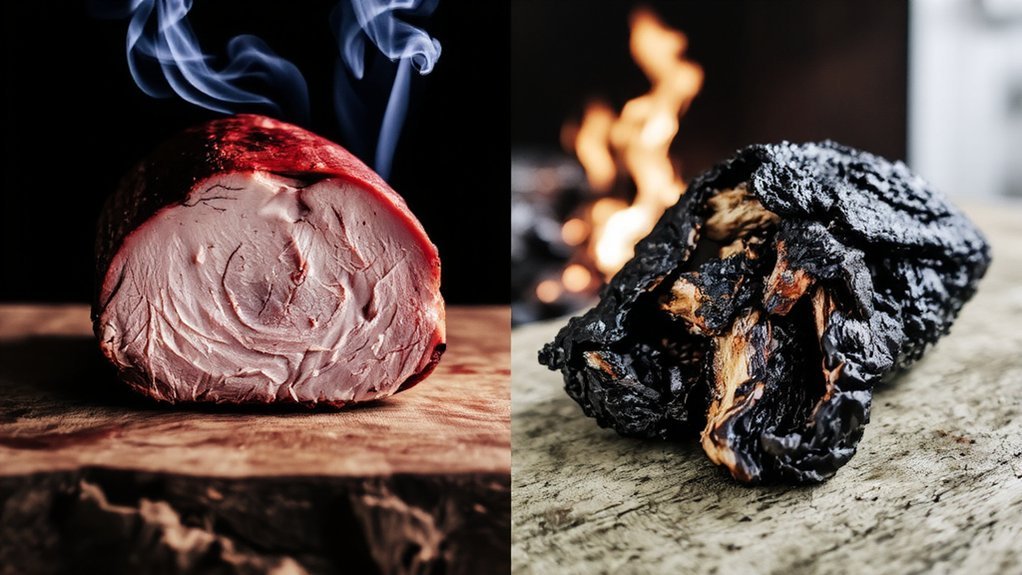
Even if you swear you can taste the difference blindfolded, smoke flavor and bark come down to how your cooker burns and breathes. You’re cooking for people you love, so let’s chase the bite that makes them pause mid-sentence. Electric smokers give gentle smoke intensity, clean and steady, building a lighter flavor profile—think soft campfire whisper, not bonfire brag. The bark? Often thinner, a touch chewy, still tasty if you season boldly and dry the surface.
Pellet grills hit harder. More airflow, more combustion, more aroma—those pellets hum along, layering deeper color and a crisper shell. You’ll hear that bark crack when you slice, like a good paperback spine. I’ll own it: I’m greedy for that crunch. Your guests will be, too.
Temperature Stability and Control
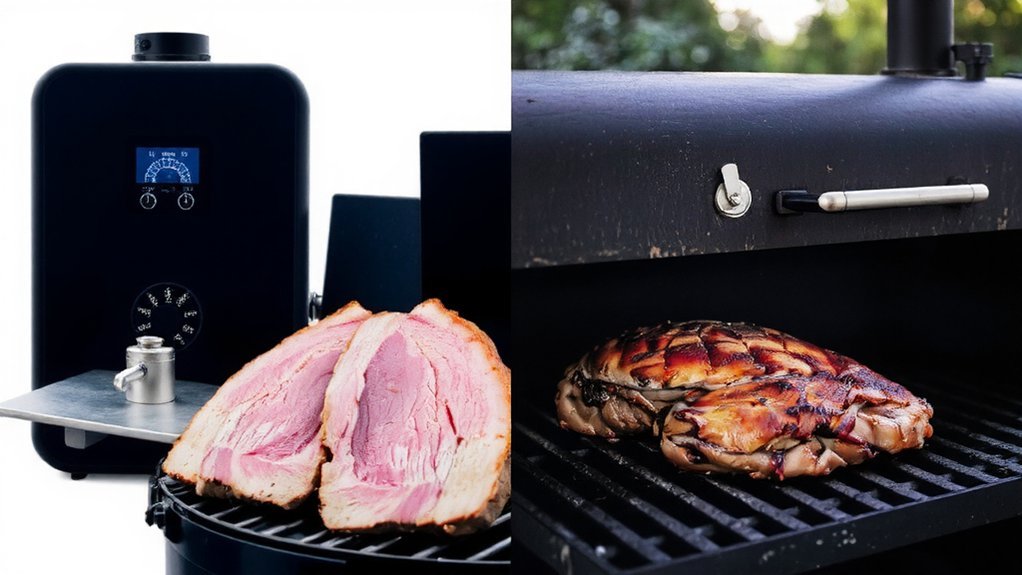
Great bark is loud, but steady heat is the metronome behind the music. You’re cooking for folks you care about, so you need calm, predictable temps, not drama. Electric smokers shine here. Plug in, set your target, and the controller babysits the box. Temperature fluctuations stay tiny, like ripples on a calm pond. You focus on timing, not triage.
Pellet grills? Also strong, just sportier. An auger feeds fuel, a fan breathes, and smart control mechanisms chase your setpoint. Wind kicks up, pellets surge, the fire adjusts. You’ll ride a small wave, but it’s steady enough to trust.
If you want simple, low-stress service, go electric. If you like a bit of fire management with awesome precision, go pellet. Either way, hold the line.
Moisture Retention and Texture
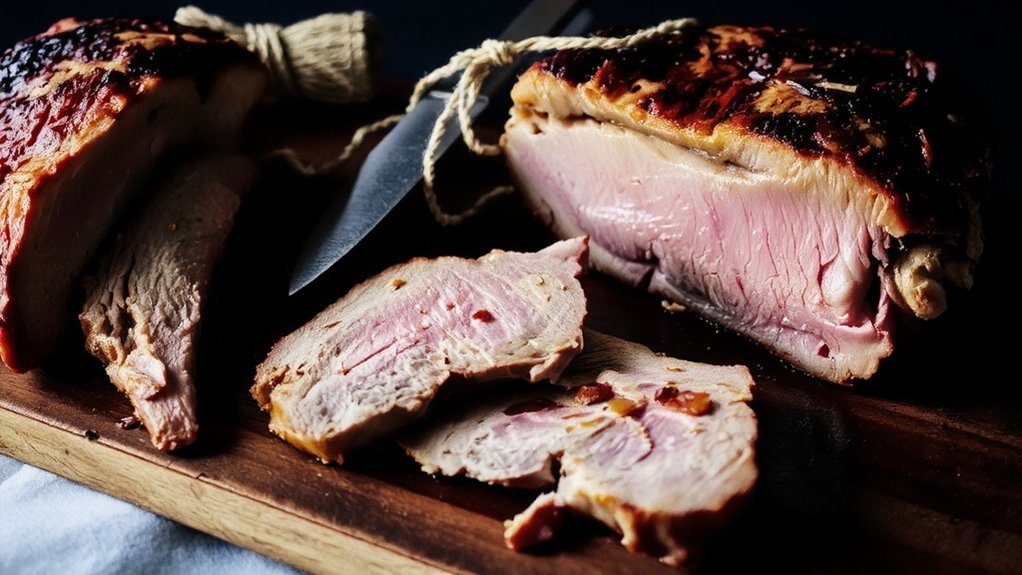
Let’s talk moisture, because your brisket’s happiness lives and dies by humidity control. In an electric smoker, you can baby the meat with steady steam and gentle heat, but that cushy spa day can soften the bark, while a pellet grill runs drier, letting you crunch up a thicker, darker crust that snaps like good toast. You’ll taste it all—juicy slices that glisten, bark that bites back—so you’ll need to decide which trade-off your taste buds cheer for.
Humidity Control Effects
While smoke gets the headlines, humidity is the quiet hero that decides whether your brisket stays plush and velvety or dries out like a paperback in a sauna. You’re cooking for people you care about, so let’s treat humidity like table service—attentive, steady, invisible. Electric smokers hold humidity levels with ease; sealed cabinets and water pans make moisture management simple. Pellet grills breathe more, vent more, and can run drier, so you’ve got to intervene.
I’ll keep it practical. Use a full water pan in an electric smoker, refill halfway through, and watch the surface stay glossy, supple, jiggly. On pellet grills, add a pan under the rack, spritz sparingly, and avoid constant lid peeks. Aim for gentle evaporative cooling, not a desert storm. Your slices? Silky, juicy, grateful.
Bark Formation Differences
Because bark is where flavor puts on its leather jacket and gets loud, moisture control decides how that jacket fits—sleek or soggy. You’re cooking for people you care about, so let’s get that crust right. Electric smokers hold humidity, which keeps brisket juicy, but it softens bark texture. You’ll see a gentler bark color, dark mahogany, not midnight. Nice, but a little polite.
Pellet grills run drier, with more airflow. That dehydrates the surface, tightens the rub, and snaps the bark into place. Hear that crisp tap? That’s service with style. The color goes deeper, almost espresso-black, and the spice oils bloom.
Want balance? In an electric, use a drier rub, open vents late. On a pellet grill, spritz lightly, wrap earlier. Your guests win either way.
Setup, Fuel, and Maintenance
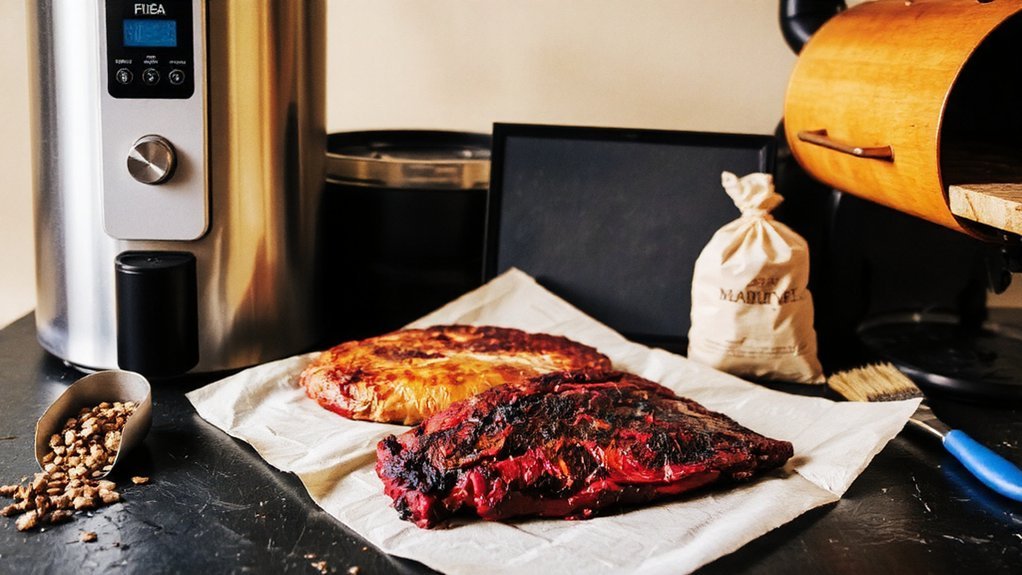
You’ll start by setting up your rig—plug in the electric smoker or prime the pellet grill, check seals and probes, then hit power like you mean it. Next, choose your fuel: tidy, metered wood pellets for steady heat and set‑and‑forget ease, or punchy wood chips for quick smoke hits and a bit more hands-on swagger. Finally, keep it clean—empty ash, scrape grates, wipe drip pans, and I’ll nag you to oil those racks, because nothing ruins brisket glory like yesterday’s grease doing a comeback tour.
Assembly and Startup Steps
Two paths, one brisket destiny—let’s get these rigs humming. You’re feeding people you love, so let’s build right, light fast, and keep temps steady. For the electric smoker, use simple assembly techniques: attach legs, slide racks, seal the door, level the box. For the pellet grill, seat the hopper, lock the auger, align the drip tray, confirm lid fit. My startup tips: prime power or pellets, preheat to 225°F, stabilize for 15 minutes, breathe.
| Step | Electric Smoker | Pellet Grill |
|---|---|---|
| Assemble | Legs, racks, water pan | Hopper, auger, deflector |
| Check | Gasket seal, probe port | Auger spin, fan kick |
| Prime | Power test, burn-off 20 min | Fill hopper, run prime |
| Preheat | 225°F, steady blue wisp | 225°F, thin steady exhaust |
Keep cords safe, grease trays clean, and your servant’s heart steady.
Wood Pellets Vs Chips
When the smoke matters as much as the meat, your fuel choice sets the vibe and the workload. You’re cooking for people you care about, so let’s make it smooth.
Pellets first. Wood pellet advantages: easy feed, steady burn, predictable heat. You load the hopper, set the temp, and boom, consistent blue smoke kisses that brisket like a gentle chorus. Less fuss, more focus on sides, sauce, and smiling faces.
Chips? Different story. The wood chip disadvantages show up fast: frequent refills, uneven smoke bursts, temp swings. You soak, drain, scatter, repeat—like a fussy toddler with a stopwatch. Flavor pops bright, sure, but maintaining it takes constant babysitting.
Bottom line, if you want control, rhythm, and bandwidth to serve well, pellets carry the room. Chips demand attention.
Cleaning and Upkeep Tasks
Though the bark steals the spotlight, the boring stuff—setup, fuel, and maintenance—decides the show. You want brisket that blesses a crowd? Keep the cooker clean, predictable, safe. Electric smokers ask for wiped racks, dry pans, tidy cords. Pellet grills want ash vacs, shop towels, and a hopper check so pellets don’t turn to oatmeal. I’m bossy because guests deserve seconds, not soot.
Here’s the quick-glance plan:
| Task | Cleaning Frequency | Maintenance Tools |
|---|---|---|
| Racks & pans | After each cook | Scraper, hot water, gloves |
| Grease management | Every 2 cooks | Foil liners, degreaser, rags |
| Ash & burn area | Every 3–4 cooks | Shop vac, brush, mask |
| Probes & gaskets | Monthly | Alcohol wipes, food-safe lube |
Do this rhythm, and your brisket sings, your gear lasts, and you serve with calm, not chaos.
Searing and Versatility Beyond Brisket
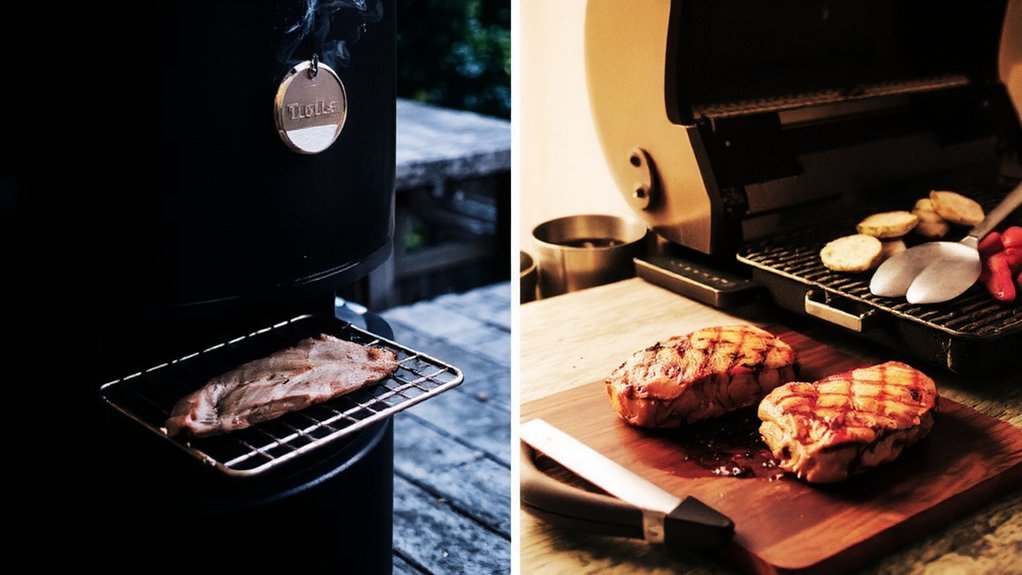
Because brisket isn’t the only star on your patio stage, let’s talk searing and what else these rigs can really do. When guests show up hungry, you need options, fast.
On pellet grills, high-heat searing techniques shine: preheat to max, drop a cast-iron skillet or griddle, and kiss steaks with that crackling crust. Flip, baste, cue applause. Reverse-sear pork chops, torch burgers, even blister peppers till they sing. Electric smokers can’t truly sear, but they’re steady sous-chefs—slow-smoke chicken, then finish under a broiler or on a hot pan for snap and color. Teamwork, not tantrums.
Versatile applications? Plenty. Bake smoky mac and cheese, roast salmon gently, warm tortillas, toast nuts, dry herbs. Feed a crowd, plate with pride, and pretend it was effortless.
Cost of Ownership and Fuel Efficiency
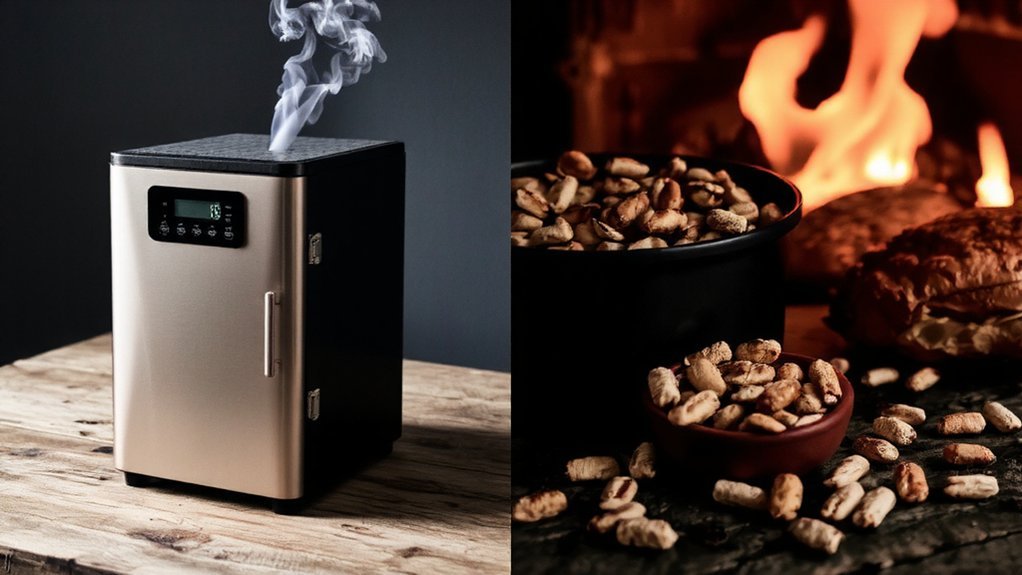
Sure, brisket glory is priceless, but your wallet still wants a say. Let’s talk numbers you can feel. Electric smokers sip power, like a polite guest who brings dessert, then leaves early. Pellets? They’re tasty heat with a tab, steady but not shy. Over a long ownership duration, electricity often wins on fuel costs, especially for overnight cooks that serve big crowds.
Upfront, pellet grills usually cost more, with augers, controllers, and moving parts. Electric smokers are simpler, cheaper to buy, cheaper to fix. Pellets need dry storage, bulk buys, and scoops that somehow vanish mid-cook. Electricity needs an outlet and a cord you won’t trip over.
If you’re feeding neighbors, teammates, and Aunt Mae, electric saves quietly. Pellet splurges, sings, and smells amazing. Choose your budget’s love language.
Learning Curve and Monitoring Workload
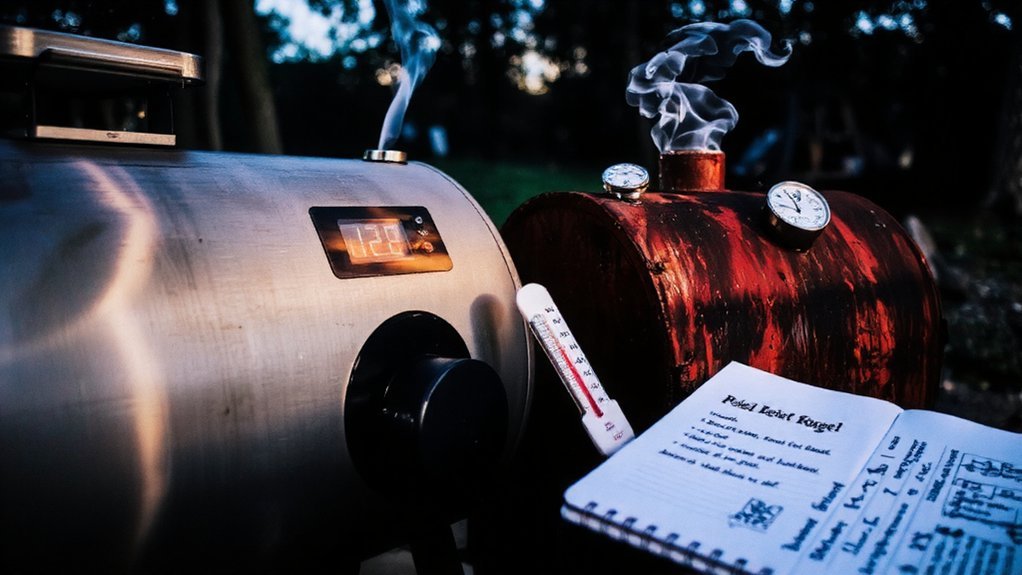
Even if you’ve burnt toast and called it “artisan,” you can run brisket on either machine, but they don’t ask the same of you. Electric smokers have a gentle learning curve: set temp, add chips, slide in the meat, and serve folks like a calm kitchen captain. You’ll babysit less, check probes, spritz occasionally, and keep the door shut—simple monitoring techniques that protect bark and sanity.
Pellet grills want a bit more from you. You’ll learn feed rates, smoke modes, and hot spots. You’ll rotate the brisket, manage probes, and watch the stall like a hawk with manners. It’s hands-on, but fun. Flavor responds to your touch. If you enjoy guiding the process, the pellet grill rewards effort, and your guests taste it.
Space, Portability, and Weather Performance
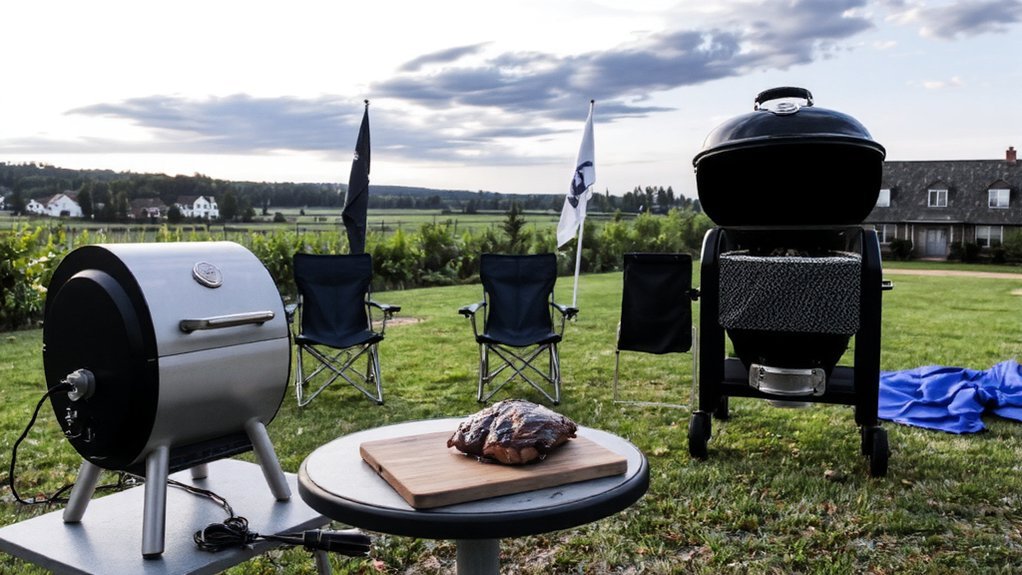
You’ve got the hang of tending meat; now let’s talk where you’re parking the beast and how it behaves when the sky throws a tantrum. If you’re cooking for others, you plan the battlefield. Electric smokers shine in tight patios, gentle on space constraints, plug-and-play simple. Pellet grills need elbow room, but give you swaggering range and smoke.
I’ve hauled both, usually with optimism and an extra dolly. When storms roll in, wind sneers, rain taps the lid, and your brisket needs a steady hand. Choose gear that respects your mission.
- Electric: compact footprint, modest portability options, steady temps.
- Pellet: heavier, wheels help, great control, bigger appetite for space.
- Weather resilience favors insulation, tight seals.
- Outdoor adaptability grows with covers, wind blocks, sturdy power.