
Yes, you can make epic brisket in the oven, and you don’t need a backyard smoker to do it. Grab a well-marbled cut, let a bold rub do the heavy lifting, then sear till it sings—brown, crackly, irresistible. We’ll build a cozy bed of onions, splash in beef stock, and go low and slow till it’s tender enough to make you whisper. Rest it, slice it right, and—hang on—let’s fix the two mistakes that ruin it first.
Choosing the Right Brisket Cut and Size
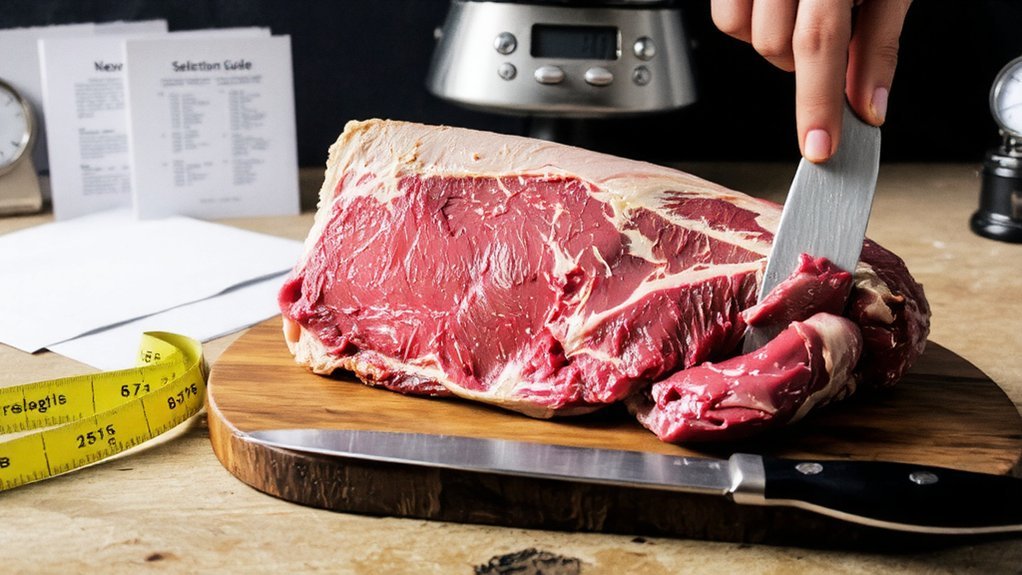
The secret to oven brisket starts in the butcher’s case, where two words matter most: point and flat. You’re cooking for people you love, so choose with care. The point’s fatty, marbled, forgiving; it bastes itself, drips like butter, and makes guests swoon. The flat’s leaner, slices neat, feeds a crowd with tidy presentation. That’s the big cut differences.
Now, brisket grades matter. Choose USDA Choice for balanced marbling; Prime if you want rich, juicy luxury and a little show-off moment. Select? Only if you’re brining or chasing thrift—otherwise, it can run dry.
Size-wise, match your timeline and pans. A 3–4 pound flat cooks evenly for weeknight service. A 6–8 pound packer, point plus flat, turns a Saturday into legends. Your call, chef.
Essential Tools and Pantry Staples
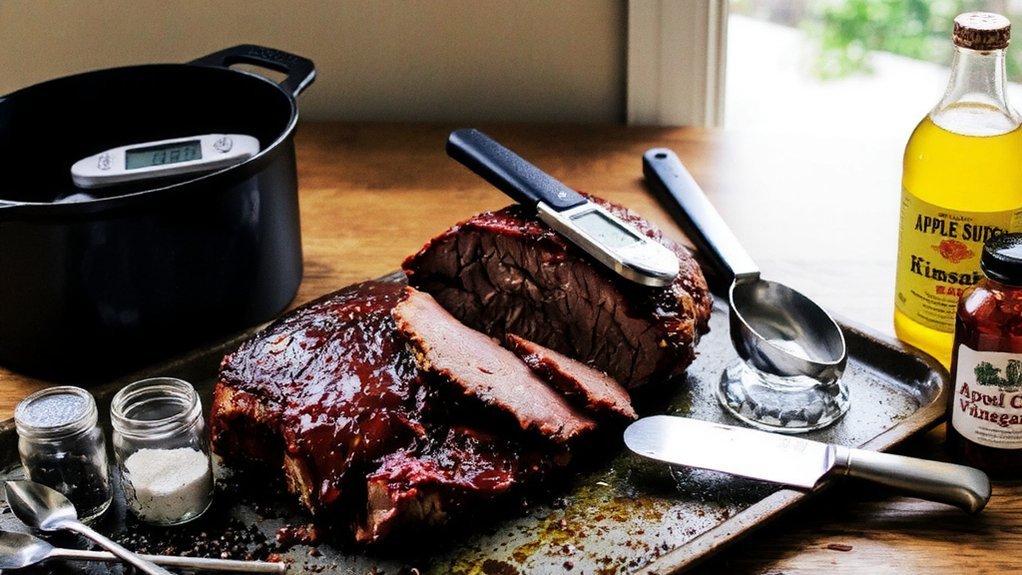
You’ll want a sturdy roasting pan or a Dutch oven, something that hugs the brisket, catches juices, and doesn’t warp when things get steamy. Grab a reliable oven thermometer—your brisket’s truth serum—plus stock for luscious moisture, bold spices for bark and aroma, and foil to lock in heat like a cozy blanket. I’ll walk you through what to buy, how to use it, and when to pull each tool like a pro.
Roasting Pan or Dutch Oven
Slide out your biggest, brawniest vessel—either a sturdy roasting pan with a rack or a heavy Dutch oven—and give that brisket a proper throne. You’re cooking to care for people, so choose gear that makes tenderness inevitable. Let’s talk pan selection. A roasting pan, wide and open, promotes steady airflow, even browning, and easy basting; the rack lifts the meat, fat drips, bark forms, guests cheer. A Dutch oven, tight-lidded and cozy, traps moisture, turns onions syrupy, and braises the brisket into silk. Both shine with smart roasting techniques: sear for crust, nestle aromatics, splash broth or wine, cover when needed, uncover for finish. I reach for whichever serves the crowd’s vibe—crispy edges or plush slices. Either way, you’ll serve joy.
Reliable Oven Thermometer
One tiny gadget, big peace of mind: a reliable oven thermometer. You’re cooking for people you love, so let’s stop guessing and start nailing temperatures. Ovens lie, yours smiles while running hot or cold. I’ve been burned, literally, so trust me.
Clip or stand the thermometer mid-oven, front-and-center isn’t accurate. Aim for the center rack, just off to the side, not touching metal—those are the key thermometer placement tips. Preheat fully, peek through the glass, then check the readout. If it’s off, use simple oven calibration techniques: adjust the temp dial in 10–15-degree nudges, retest, repeat. Record your oven’s “true” 300, 325, and 350.
Result? Brisket cooks low and slow, steady and kind. Guests bite in, eyes close, and you quietly fist-pump.
Stock, Spices, and Foil
Before the brisket even hits the pan, I raid the pantry like a raccoon with standards: good stock, bold spices, and heavy-duty foil. You’re cooking for people you love, so let’s make every detail count. Start with stock preparation: warm low-sodium beef stock, add a splash of apple cider vinegar, a lick of tomato paste, maybe a garlic clove smashed for drama. It should smell cozy, not salty.
Now spice selection. Go big: kosher salt, coarse pepper, smoked paprika, cumin, a touch of brown sugar. Toast spices, wake them up, then massage them in like you mean it.
- Seal with foil, shiny side in, tight as a drum.
- Pour warm stock around, not on, the meat.
- Check for steam, listen for that gentle hiss.
Simple Dry Rub and Flavor Boosters
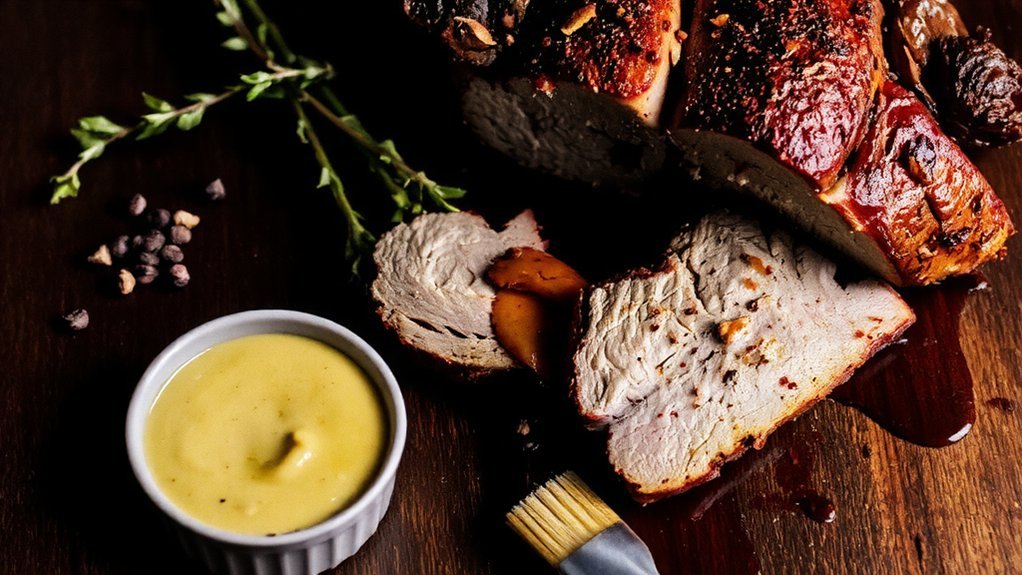
You’ll start with an essential spice mix—paprika, black pepper, garlic and onion powder, a whisper of chili—so the bark smells smoky, tastes bold, and looks like it means business. Then you’ll balance salt and sugar, letting the salt pull in moisture while a spoon of brown sugar caramelizes into that glossy, crackly crust I pretend I planned all along. For depth, you’ll toss in aromatics—ground cumin, mustard powder, maybe a touch of espresso or dried thyme—and suddenly the kitchen smells like you know exactly what you’re doing.
Essential Spice Mix
Two pinches of confidence and a handful of basics—that’s your brisket rub starter kit. You’re cooking to care for people, so let’s build an essential spice mix that hits big aroma and balanced flavor profiles without fuss. I grab black pepper, garlic and onion powders, smoked paprika, and a whisper of cumin. Warm, roasty, a little mysterious—like you, on a good hair day.
- Toss pepper, garlic, onion, paprika, cumin—shake in a jar, smell the spice combinations bloom.
- Rub generously, press it in, get the edges, then pause and inhale—smoke and sunshine, right in your kitchen.
- Let the brisket sit, 30 minutes on the counter, so the bark dreams up texture.
I’ll say it: simple rub, heroic results. Now, apron on, let’s make guests grin.
Salt and Sugar Balance
Even if you nailed the spice mix, the magic switch is salt and sugar, working like tiny stagehands behind the curtain. You’re building tenderness, not just taste. I start with coarse salt—steady, forgiving—then layer in sweetness to balance bark and bite. Think service-minded: you want slices that sing for everyone at the table, from heat lovers to sweet-tooth cousins.
| Salt types | Sugar ratios | Result |
|---|---|---|
| Kosher, 1 tbsp/lb | 1:3 sugar-to-salt | Savory-forward, clean finish |
| Sea salt, 3 tsp/lb | 1:2 | Balanced bark, gentle caramel |
| Fine salt, 2 tsp/lb | 1:1 | Faster cure, darker crust |
Sprinkle evenly, top to bottom, edge to edge. Pat don’t rub, we’re not sanding furniture. A light mist of apple juice? Optional, but charming. Then rest the brisket, ten minutes, so crystals melt, cling, and promise.
Aromatics for Depth
Salt and sugar set the stage, but aromatics steal the spotlight. You’re building a choir, not a solo, so let’s layer flavor. For a simple dry rub, I grab garlic powder, smoked paprika, cracked pepper, and a whisper of cayenne. Then I boost it with a fresh herbs infusion—thyme, rosemary, bay—because generosity tastes like care. Now, scene change: the roasting pan. Lay down onion layers, thick and sweet, then tuck in smashed garlic and a halved orange. It perfumes the brisket, and the drippings? Liquid gold.
- Toast whole spices, then grind: cumin, coriander, mustard seed.
- Nest leeks, carrots, and celery under the meat for savory steam.
- Splash in coffee or stout; it deepens bark, softens edges, and wins gratitude.
Step-by-Step Oven Method
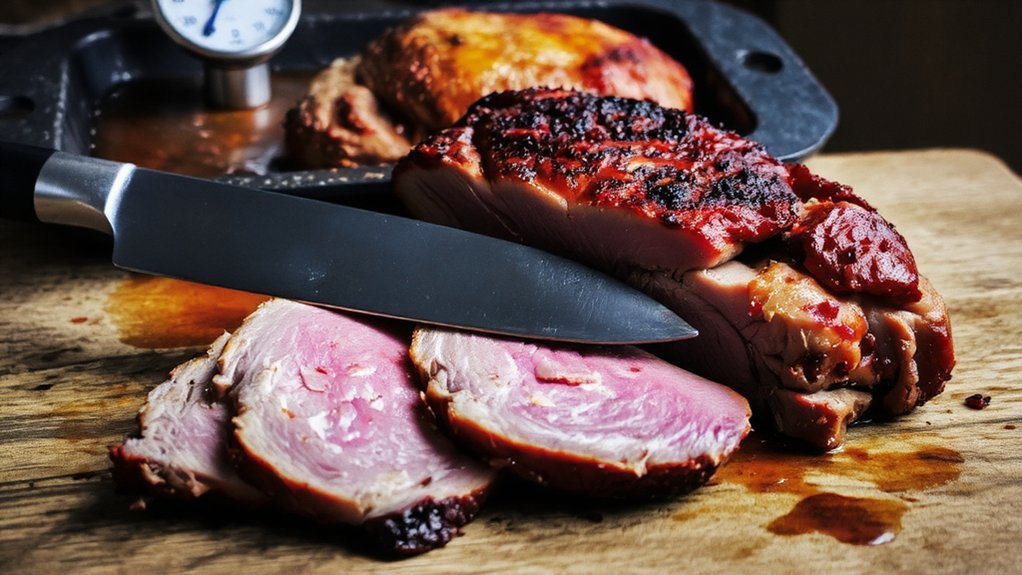
First things first, let’s turn that cold hunk of beef into a future legend. Pat it dry, because moisture on the surface blocks browning. Rub generously with salt, pepper, and your favorite spice blend; think smoky paprika, garlic, a whisper of cumin. If you planned ahead, choose smart marinade options—savory soy and balsamic, or citrus and herbs—then pat dry again. Heat your oven-safe pan until it’s shimmering. Sear all sides, listen for that proud hiss.
Now build the bed: onions, carrots, celery, a few smashed garlic cloves. Nestle the brisket on top, add stock and a splash of wine, just to halfway. Cover tightly with foil, tuck it in like company’s coming. Slide it into the oven, let time and gentle cooking techniques do the heartwork.
Time and Temperature Guide by Weight
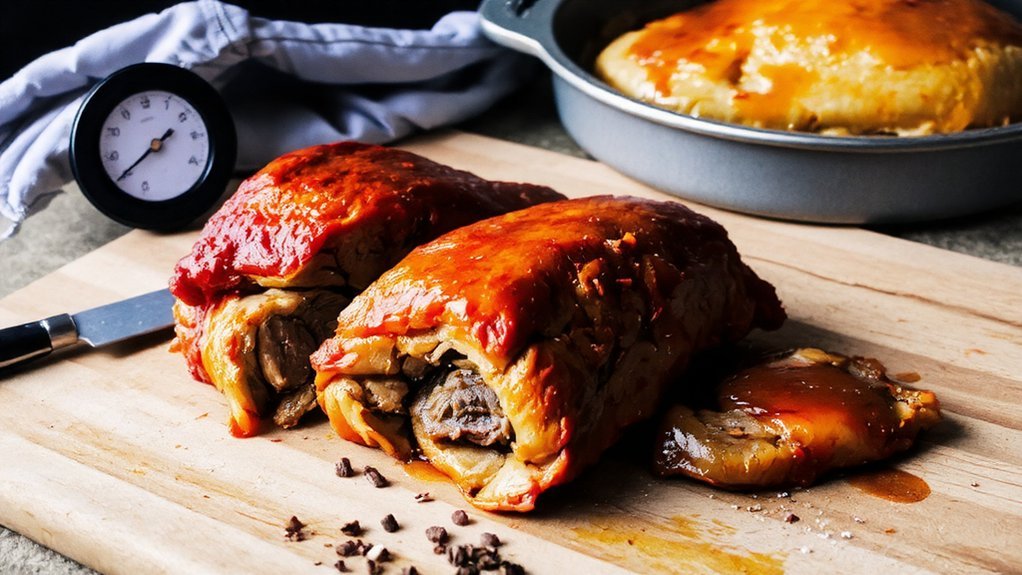
Two numbers run the show here: oven temp and brisket weight. You’re cooking to tender, not just time, but weight factors set your pace. I like 300°F for balanced bark and moisture. Plan roughly 60–75 minutes per pound, adjusting as marbling and thickness demand. Keep a probe handy; you’re aiming for buttery resistance, not a stopwatch victory.
- 3–4 lb brisket: 300°F, estimate 3–4.5 hours; check early, foil if surface dries, keep kindness (and broth) flowing.
- 5–7 lb brisket: 300°F, 5–8 hours; stall around 160–170°F? Wrap snugly, then keep steady heat, you’re shepherding comfort food.
- 8–10 lb brisket: 300°F, 8–12 hours; low and patient, baste occasionally, listen for that gentle sizzle.
Trust feel over rigid cooking times; your guests taste care, not the clock.
Resting, Slicing, and Serving
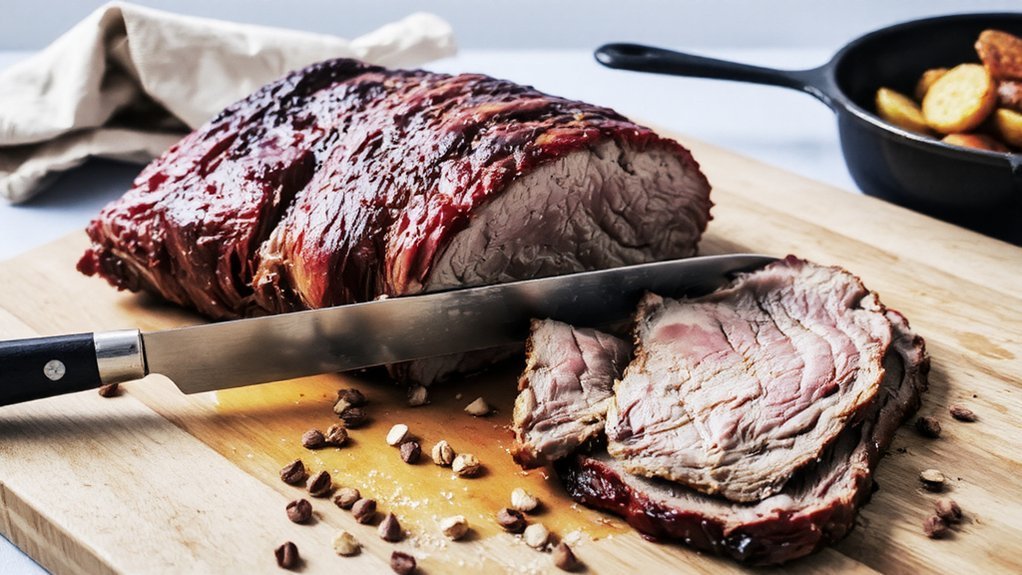
When the brisket finally melts under your probe like warm butter, don’t rush it—rest is where legends are born. Tent it loosely with foil, park it in a warm spot, and give it 45–90 minutes. That’s prime time for juices to redistribute, the most important of all resting techniques. I know, waiting hurts. You’re serving people, though, not impatience.
Now, slicing methods. Separate point from flat, find the grain, then cut across it into pencil-thick slices. From the point, turn 90 degrees and slice again—tender bites, shimmering with juice. Keep your knife long, sharp, a little cocky.
Serving suggestions? Warm platter, toasted rolls, pickles, and a drizzle of reserved juices. For flavor pairings, think tangy slaw, dill cucumbers, garlicky greens, and peppery barbecue sauce.
Troubleshooting Dryness and Texture
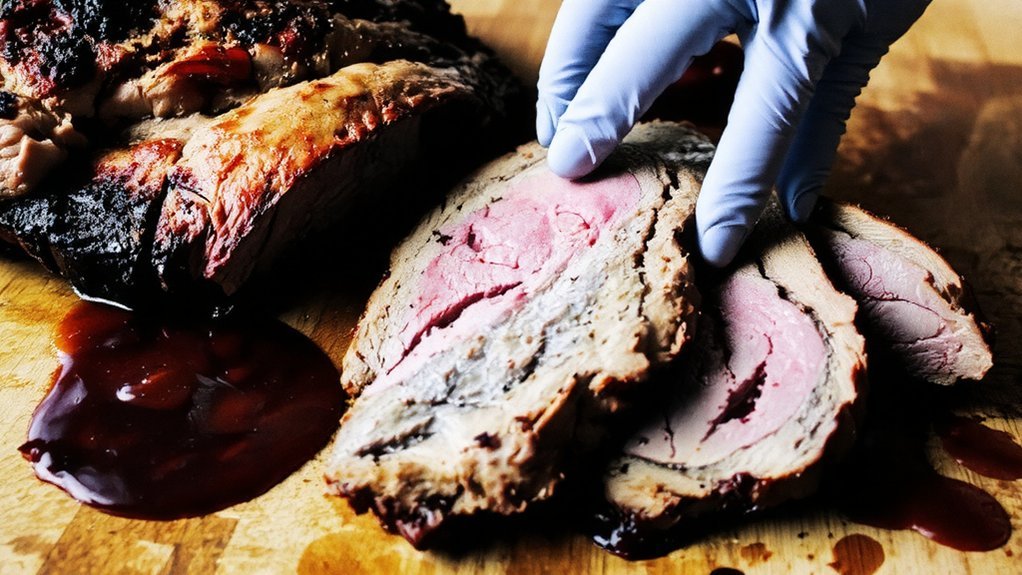
Although brisket heartbreak feels personal, dryness and weird texture usually come from a few usual suspects, and we can fix them. First, check dryness causes: too hot, too fast, or too lean. If the flat’s skinny, it needs more fat cover or a tighter foil wrap. Second, aim for texture improvement by cooking to feel, not just temp; the probe should slide in like warm butter, no grimacing.
Brisket heartbreak isn’t personal—fix dryness, trust the probe, and let butter-soft feel guide you.
- Add moisture: splash in beef stock, a touch of Worcestershire, then rewrap and warm at 275°F for 20–30 minutes.
- Shred, don’t slice, if it’s still tight; mix with warm jus, then serve generously.
- Next time: 250–275°F, steady. Wrap at bark set, rest in a towelled cooler 1–2 hours.
You’ve got this, host-with-the-most.