
You want brisket that hums—bark that snaps, smoke that whispers sweet then roars bold. I’ve burned through bags of pellets, cursed the ash, chased steady temps like a raccoon after a rib bone. Traeger Signature is smooth and friendly, hickory swings heavy, oak runs steady like Texas, mesquite punches hard—use wisely. And the off-brand stuff? Some of it’s sneaky good. Grab your tongs, I’ll show you what to feed that hopper next.
How Pellet Species Shape Brisket Flavor
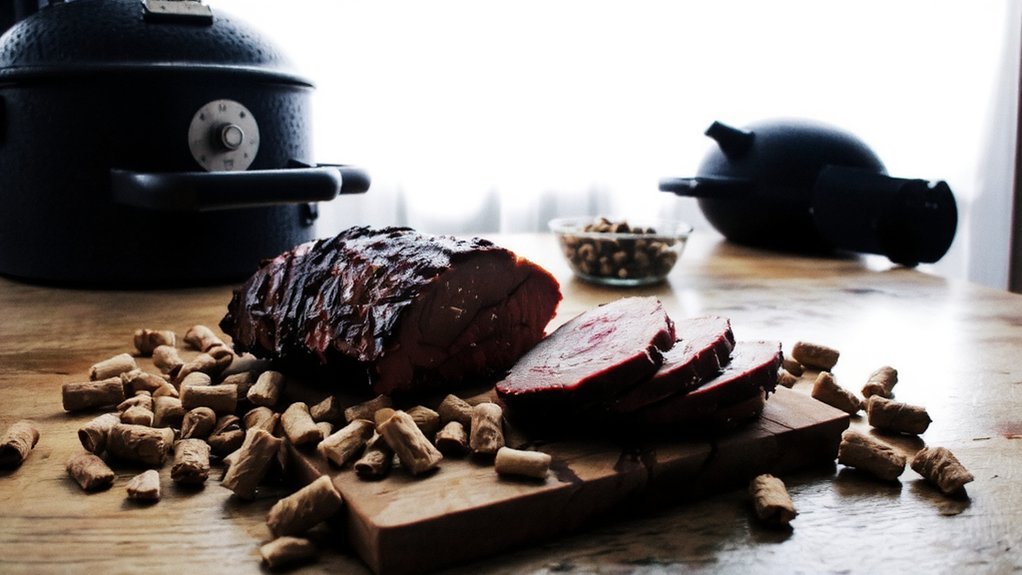
Even before you trim the fat cap, the pellet species you choose starts writing your brisket’s flavor story. You’re building comfort on a platter, so pick wood species that honor your guests’ tastes, not your ego. Think flavor profiles like a spice rack: some whisper, some sing, a few shout. Fruit woods? They’re friendly neighbors—bright, fragrant, a soft kiss of smoke that lets beef speak. Oak steps in steady and honest, a backbone note you can trust. Maple brings mellow sweetness, like a wink across the table.
I’ll say it plain: match wood to mood. Hosting kids? Keep it gentle. Feeding night-shift heroes? Go bolder, but balanced. Blend thoughtfully, layer aroma, taste as you go, and serve warmth that lingers longer than the smoke.
Traeger Signature Blend vs. Hickory: Smoke Profile Showdown
Because brisket doesn’t forgive boring smoke, let’s pit Traeger’s Signature Blend against straight Hickory and see who earns a seat at your cookout. I’m pouring pellets, you’re trimming fat, and the pit’s humming like a choir with secrets.
Here’s the smoke intensity comparison. Hickory hits hard, fast, and proud—bold campfire, bacon-laced, a little spicy on the nose. It paints a deep bark, then lingers, like that uncle who tells great stories and won’t leave. The Signature Blend, though, plays host, not hammer. It’s smoother, slightly sweet, with gentle oak backbone and light fruit notes, layering complexity without hogging the spotlight.
Flavor complexity analysis? Hickory brings one big wave. Signature stacks smaller waves, steady and friendly. Serving a crowd, I’d pour Signature. Chasing a statement slice, I’d grab Hickory. Your call, chef.
Oak Pellets for Texas-Style Brisket Consistency
Hickory brought the thunder, sure, but Texas brisket worships oak for one reason: steady, honest heat that never throws a tantrum. You want predictable cooks, clean smoke, and that gentle oak flavor that kisses, not clobbers. I’m with you. Load the hopper, set the temp, and let the pit hum like Sunday choir. The bark builds slow and proud, the fat renders, and brisket tenderness slides in like a handshake—firm, friendly, unforgettable.
Here’s how you serve a crowd without drama:
- Run 225–250°F; oak pellets hold temp, limit swings, save sanity.
- Trim tidy, salt and pepper heavy, keep airflow clean for thin blue smoke.
- Wrap at color you love, rest long, slice pencil-thick, then smile while plates come back empty.
Mesquite Pellets: Bold Heat, When and How to Use
| Goal | Smoking Techniques | Timing |
|---|---|---|
| Big bark | Run 250–265°F, thin smoke | 90–120 min |
| Manage bite | Blend 50/50 after set bark | Hour 3+ |
| Clean burn | Keep pellets dry, auger steady | Always |
| Rest magic | Wrap, vent, hold 150°F | 1–3 hours |
Trim fat even, salt hard, ride the smoke early, then glide to tender.
Fruitwood Blends for a Subtler, Sweeter Edge
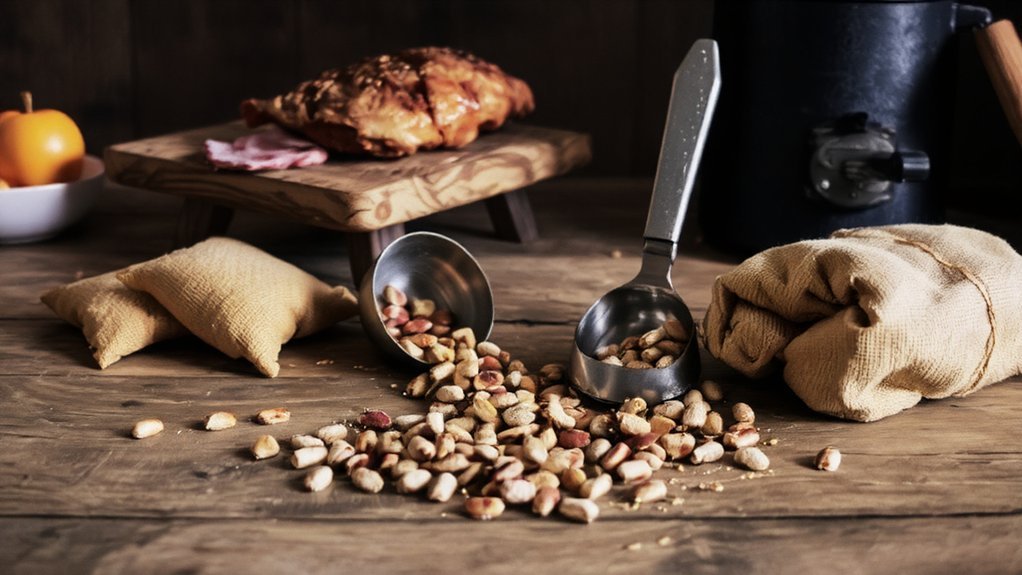
Here’s how you make that kindness count:
Make that kindness count: keep it simple, steady, and let the smoke whisper.
- Pair with simple rubs—salt, pepper, maybe a little brown sugar—to spotlight flavor nuances, not bury them.
- Run steady temps, 225–250°F, and spritz lightly; let the smoke whisper, not shout.
- Mix a touch of hickory if you crave backbone, but keep the fruit-forward smile.
Pellet Construction: Hardwood Content, Binders, and Density
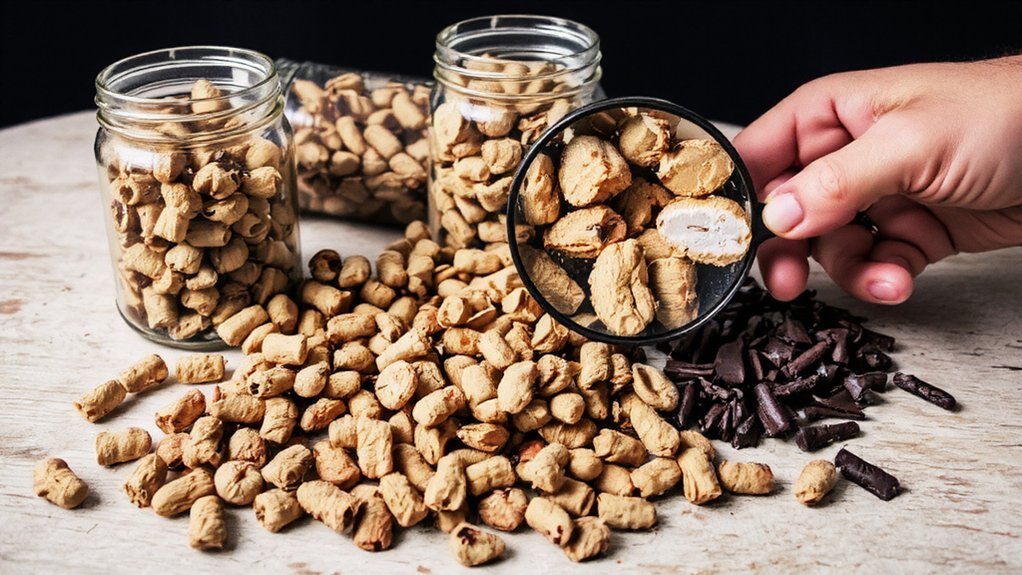
You’re about to pick pellets, not lottery numbers, so let’s talk what’s inside: 100% hardwood vs blends, mystery oils, sticky binders, and the all-important density. You want clean burn, steady heat, and rich smoke that smells like campfire and caramel, not a perfume counter—so I’ll show you how to spot real wood, honest binders, and tight-packed pellets that crack, not crumble. Grab a bag, thump a pellet, and let’s see what’s legit and what’s fluff.
100% Hardwood Vs Blends
Although the bag might scream “100% hardwood,” the real story lives in the pellet’s guts—what wood goes in, what holds it together, and how dense each little cylinder is. You’re choosing a voice for your brisket, so let’s keep it honest and tasty. Pure species pellets flex classic hardwood benefits: steady burn, clean smoke, and that focused, unmistakable note—think oak’s firm backbone or hickory’s bold handshake. Blends, though, bring balance and grace. They smooth harsh edges, stretch your budget, and keep flavors approachable for guests who didn’t sign up for a campfire in the face.
1) Choose 100% oak or hickory for confident, singular character.
2) Grab blends for consistency, cost control, and blend advantages.
3) Match intensity to service: bold for bark, gentle for crowd-pleasing slices.
Binders, Oils, and Density
Even before the smoke hits your nose, the pellet’s build decides your brisket’s fate—what wood it’s made from, what (if anything) holds it together, and how tightly it’s packed. You want steady heat, clean flavor, and zero ash drama. So, let’s peek inside.
Here’s the shortlist: binders types, oil sources, and density. Some pellets rely on natural lignin as the glue—great. Others add food-safe starch binders—fine, if minimal. Skip mystery adhesives. Oils? Light touches from legit oil sources, like walnut or canola, can help ignition, but heavy dosing tastes greasy. I once chased “extra hickory,” got “extra furniture polish.”
Density matters most. Dense pellets feed consistently, burn longer, and hold temps for that 12-hour love session. Your brisket—and guests—notice.
Heat Output, Burn Rate, and Temperature Stability
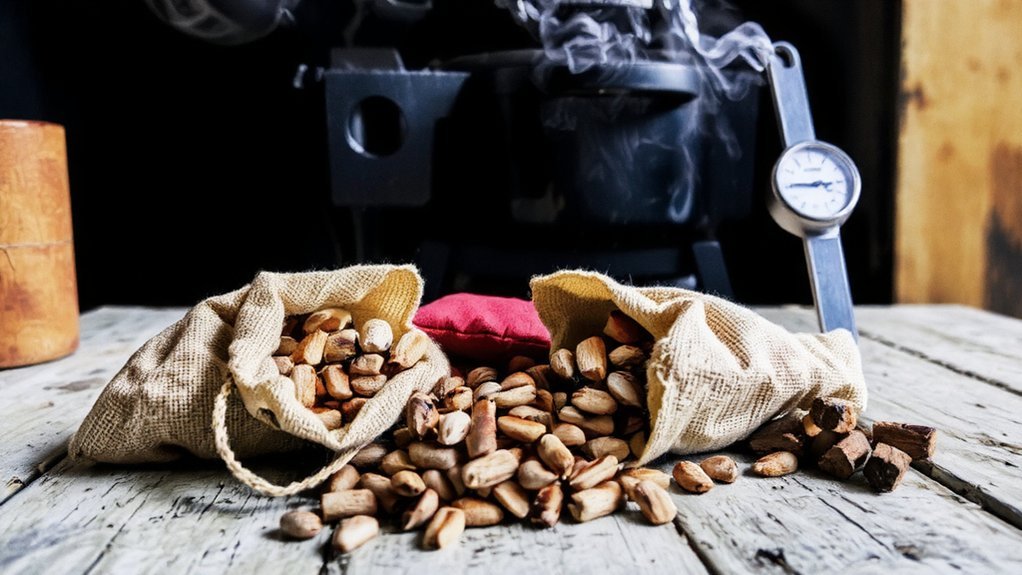
You want brisket that hums along, not a roller coaster, so start by comparing BTU ratings—higher BTUs mean hotter, faster heat that kisses the bark and powers through stalls. But heat’s useless if it sputters, so look for pellets with consistent burn consistency; steady feed, even glow, no moody flare-ups. I’ll flag the brands that hold temps like a metronome, so you can sip coffee, grin, and let the pit do the work.
BTU Ratings Compared
Numbers matter. When you’re cooking brisket for a crowd, btu ratings aren’t trivia, they’re your steering wheel. Higher BTUs mean stronger heat output, quicker recoveries after lid lifts, and less fretting while you plate sides. I’ve tested blends that roar and singles that purr, and here’s how you use that power to serve perfectly tender slices without babysitting the pit.
1) Choose BTU range: Go high (8,000–9,000 BTU/lb) for cold nights or big packers; moderate (7,000–8,000) for steady weekend cooks.
2) Match flavor to muscle: Oak/hickory blends hit hard, great bark, deep mahogany; fruitwoods run gentler, brighter smoke, gorgeous edges.
3) Watch burn rate: Efficient pellets give heat without waste, fewer hopper trips, more time slicing, smiling, and handing out seconds.
Consistent Burn Consistency
While the bark gets all the compliments, the hero is steady fire that doesn’t flinch. You’re cooking for people you love, so you need pellets that hold heat, sip fuel, and keep your pit calm. I’m watching three things: heat output, burn rate, and temperature stability. High, even heat kisses the fat, slow burn duration keeps you from babysitting, and smooth control means no panicked lid lifts.
Here’s the play: choose dense pellets with low ash, tight moisture control, and consistent size. They meter clean, they don’t spike, and they boost smoke retention at steady airflow. Listen for that gentle sizzle, not a flamethrower. If your grate reads +/- 5°F for hours, you’re golden. Less drama, more service, better brisket.
Ash Production and Cleaner Burns: What to Look For
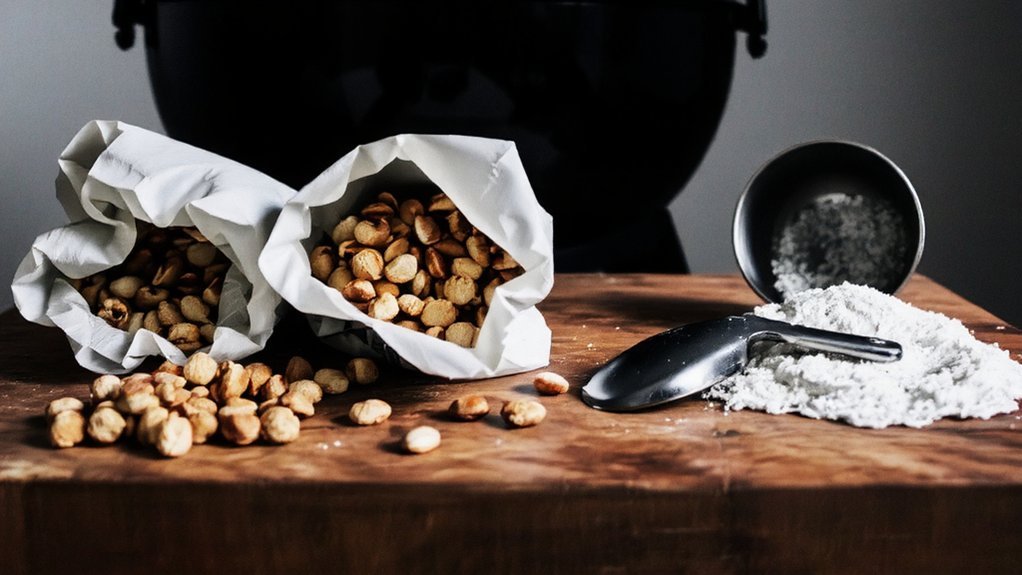
Because a long brisket cook turns tiny problems into big messes, I zero in on pellets that burn clean and leave whisper-light ash, not chunky fireplace dandruff. You want steady heat, a tidy firepot, and smoke that kisses meat, not chokes it. I check ash characteristics first: color, texture, and volume. Pale, silky ash means complete combustion and fewer mid-cook vac breaks. Dark, clumpy ash? That’s a soot signal, and your temp graph will tattletale.
1) Check pellet cleanliness: smooth, shiny cylinders, minimal dust in the bag. Too much sawdust equals dirty burns.
2) Read labels: low bark, food-grade hardwood blends reduce ash, help airflow, and protect your service timeline.
3) Test a handful: snap pellets clean, light two, watch for blue, steady flame, not orange sputter.
Top Non-Traeger Brands Worth Trying
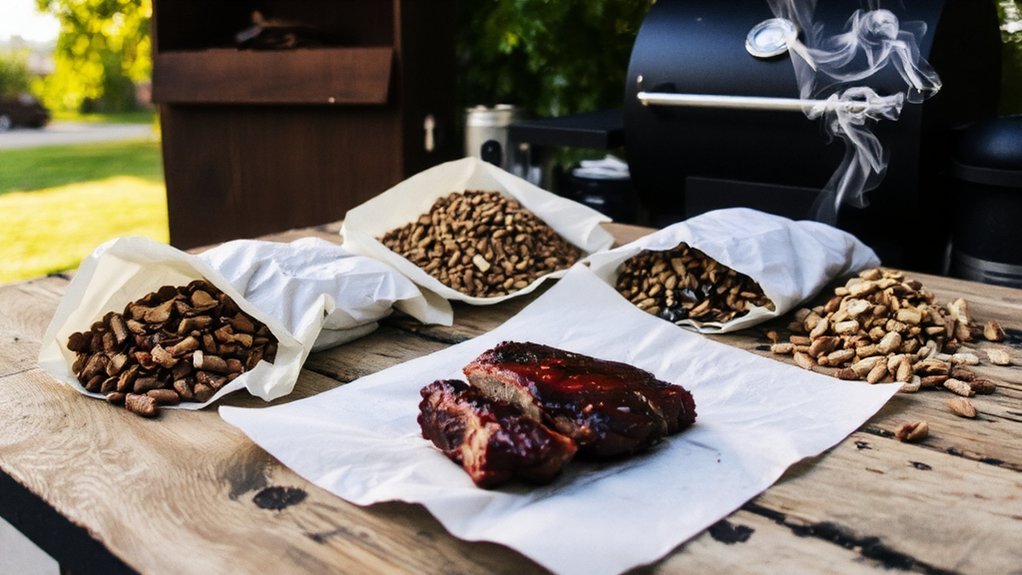
Five non-Traeger pellet brands keep landing in my hopper, and for good reason—they burn clean, hold temps, and taste like smoke, not campfire cologne. You want brisket that blesses people, not bullies them, so try these. CookinPellets Black Cherry brings a gentle cherry kiss, great for sweeter flavor profiles. Lumber Jack Hickory gives you bold bark and deep mahogany color—perfect for classic smoking techniques. Bear Mountain Gourmet Blend runs steady, low ash, friendly for overnight cooks. BBQrs Delight Pecan? Nutty, buttery, like Sunday dinner in pellet form. Knotty Wood Almond burns hot, smells like toasted biscotti, finishes clean.
I rotate them based on crowd and weather, then let the meat talk. You trim, rub, rest. They carry the message.
Blends vs. Single-Species Pellets: Matching Pellets to Your Smoker and Taste
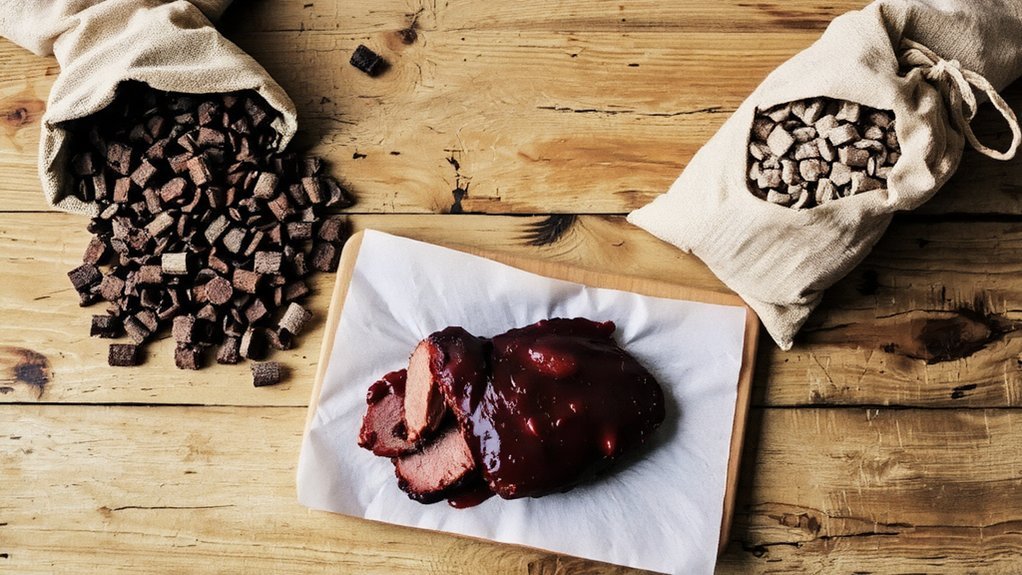
So, which pellets fit your vibe—blends or single-species? If you’re cooking brisket to bless a crowd, start with your smoker’s pellet compatibility, then chase flavor enhancement. Blends give you steady burn, sweet-smoky layers, and fewer temp swings. Single-species hits cleaner, bolder notes—hickory thumps, oak steadies, cherry blushes the bark. I’ll guide, you’ll serve smiles.
- Choose by smoker behavior: small pellet grills love blends for consistent heat; stick-stable rigs can showcase single-species without drama.
- Match flavor to the mission: blends for balanced, approachable smoke at church socials; single-species when you want distinct, “whoa” character for VIP plates.
- Test small, track results: mark brands, ash levels, and bark color; swap one variable at a time, let the meat preach, not the label.