
You want brisket that melts like butter and smells like a campfire daydream, not a shoe sole in disguise. I’ve got you: we’ll zero in on Prime and Wagyu, eye the marbling, and pick between whole packer, flat, or point without guesswork. I’ll steer you to trusted online butchers—fast shipping, tight packaging, honest sourcing—then size, trim, and aging. You bring the rub and patience. I’ll bring the map—and one twist you won’t see coming.
How to Choose the Right Brisket Cut
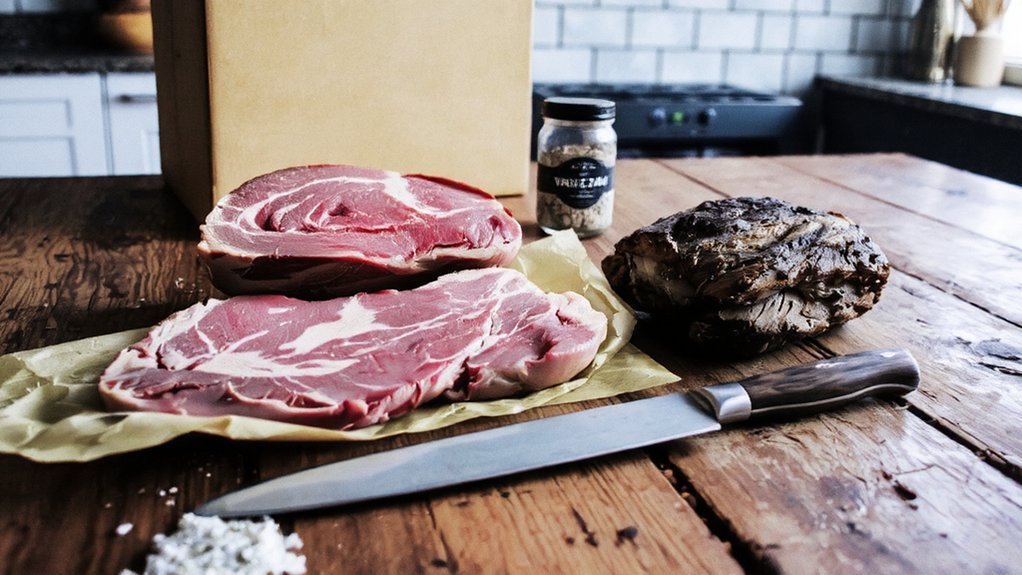
So, where do you even start when brisket comes in more personalities than a reality show cast? You start by deciding how you’ll serve people. Want slices that drape like velvet? Pick a whole packer—point and flat together—so you control texture across the board. Hosting a tight schedule? Go flat only; it slices neat, feeds a crowd, and plays nice with precise brisket cooking.
Now get hands-on. Look for a bendy slab, good thickness across the flat, and a fat cap you can trim to a tidy quarter inch. The point should feel plush, not stiff. Check for tight grain, even edges, zero ragged ends.
Picture your seasoning techniques. Big salt, fresh pepper, garlic, maybe a bold coffee rub. Hear that sizzle, smell sweet smoke, serve joy.
Understanding Grades: Prime, Choice, and Wagyu
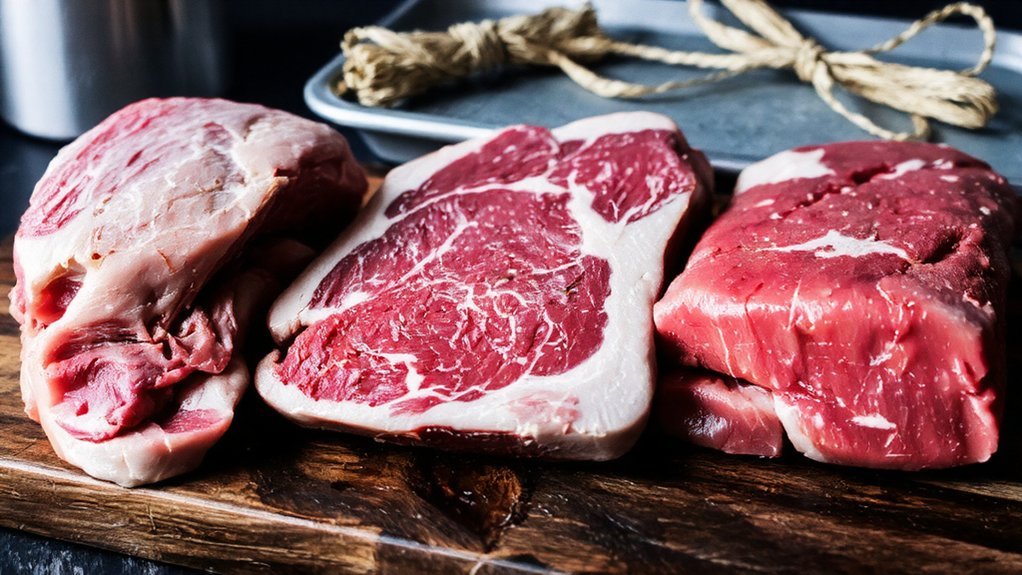
You’re about to pick between USDA Prime and Choice, and yes, your smoker can taste the difference—Prime brings richer marbling, juicier bites, and that glossy fat sizzle, while Choice saves a few bucks but needs a steadier hand with heat. Then there’s Wagyu, the show-off, with marbling grades (think BMS 6–12) that melt like butter and paint your cutting board with happiness. I’ll help you decide what’s worth your cart, your budget, and your bragging rights.
USDA Prime vs. Choice
Although the names sound like a steakhouse password, USDA Prime and Choice are simply grades that tell you how much fat—aka marbling—is laced through the meat. Prime packs more intramuscular fat, so your brisket feels silky, juicy, and forgiving. Choice runs leaner, still flavorful, but it demands your full attention and smarter cooking techniques. If you love serving others, choose the grade that matches your style, your smoker, and your timeline.
1) Pick your mission: Prime for plush, buttery slices; Choice for clean beef flavor and a little challenge.
2) Nail brisket preparation: trim thick caps, season generously, aim for even bark, then rest like you mean it.
3) Adjust technique: Prime tolerates higher heat; Choice prefers steady, gentle temps, patient spritzes, and longer rests.
Wagyu Marbling Grades
Prime and Choice set the baseline, but Wagyu changes the game, like swapping a pickup for a Bentley and pretending it’s “just a car.” We’re talking marbling so dense it looks like lace—fine, even fat that melts low, bastes every bite, and turns brisket into silk.
Here’s the cheat sheet. Japanese BMS 6–7 is lush, friendly, still balanced. BMS 8–9 slides richer, butter-sweet, with a caramelized halo. BMS 10–12? Buckle up. It’s decadent, almost creamy, the wagyu flavor blooming like toasted nuts and warm beef custard. You’ll taste generosity in every slice.
Focus on marbling characteristics: thin, even lines, not chunky snowballs. Aim for uniform seams through the flat, delicate pearls in the point. Serve it mindful—smaller portions, slower render, cleaner smoke. Your guests will feel cared for.
Marbling, Sourcing, and Traceability
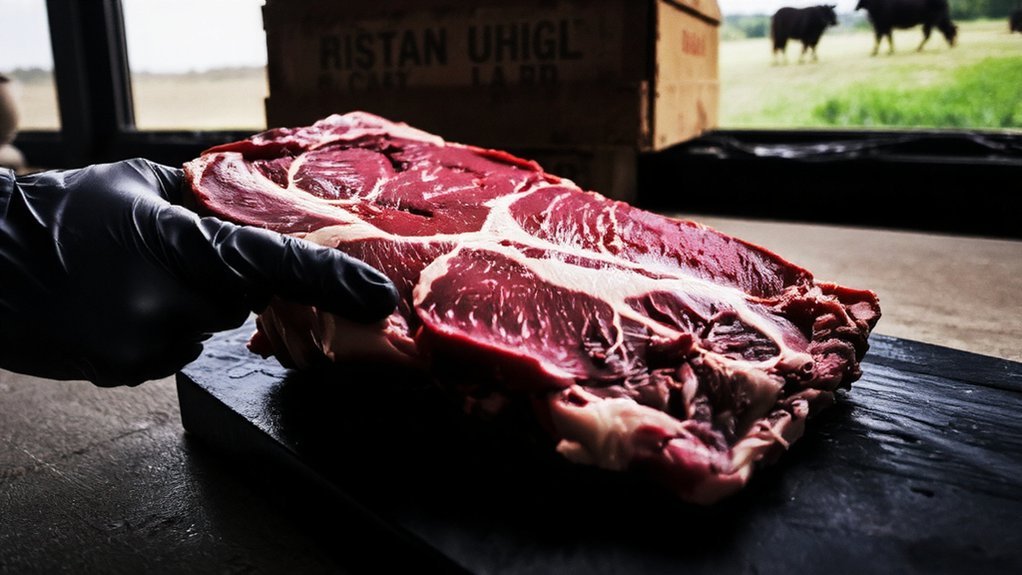
You want brisket that melts like butter, not chews like gym rubber, so you’re chasing ideal fat marbling—thin white veins that baste the meat as it sizzles. I’m your nosy friend here, pushing ranch-to-table sourcing, because knowing the farm, the feed, and the finish tells you exactly why that bark snaps and the slice glistens. And yes, you should demand full cut traceability, from ear tag to doorstep, so every juicy bite comes with receipts.
Optimal Fat Marbling
Some secrets hide in plain sight, like the thin white veins of fat lacing a great brisket, and that’s where the magic lives. You’re cooking to care for people, so choose marbling that melts into tenderness, not pools into grease. I look for fine, even streaks, especially in the flat, because that’s where dryness tries to crash the party. Aim for balance—creamy fat, deep red meat, clean scent, no off notes.
1) Train your eye with simple marbling techniques: compare flats side by side, pick tighter, spiderweb lines over thick globs, and check consistency from end to end.
2) Match marbling to flavor profiles: richer lace for pepper-forward rubs, lighter for sweeter smoke.
3) Before buying, review cut photos, zoom in, confirm uniformity.
Ranch-To-Table Sourcing
Before the brisket ever hits your cart, follow the trail back to the pasture, because great marbling starts with how an animal lives, eats, and moves. You’re cooking for people you care about, so begin with ranches that practice sustainable farming, not shortcuts. I look for grass-rich forage, clean water, shade, and calm handling. Stress shows up on the plate; so does kindness.
Ask how calves are weaned, what they’re fed, and when. Balanced grain-finish, patient growth, steady exercise—hello, fine, lacy fat. Ethical sourcing isn’t a slogan, it’s a checklist: humane care, responsible land use, honest pay. When ranchers steward soil and rotate pastures, you taste it—butter-soft slices, deep beef perfume, that gentle sizzle. Serve that, and you serve everyone well.
Full Cut Traceability
Great ranching sets the mood, but traceability seals the deal. You want brisket with a story you can serve proudly, not mystery meat with a shrug. I’m with you. Full cut traceability lets you follow that marbling map—from pasture to plate—so you know who raised it, how it lived, and why it tastes like buttery fireworks. You’re feeding people you care about; let’s honor that.
- Check the ID trail: batch numbers, harvest date, ranch location, and handling notes, all tied to ethical sourcing you can verify.
- Read the marbling score, then match it to breed, feed, and aging time—cause and effect, deliciously proven.
- Confirm sustainability practices: pasture rotation, low-stress handling, and audited transport. Cleaner chain, cleaner conscience, juicier slices.
Whole Packer vs. Flat vs. Point
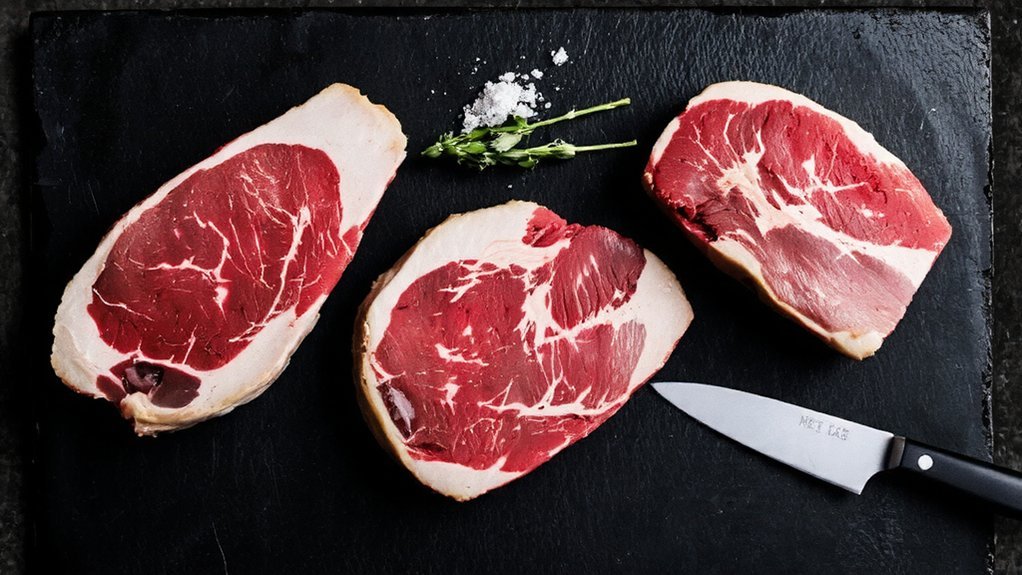
Although the names sound like a butcher’s riddle, the brisket cuts are simple once you see them on the board. You’ve got three players: whole packer, flat, and point. I’ll steer, you serve.
The whole packer is the full brisket, fat cap and all. It’s ideal when you’re feeding a crowd and want drama, bark, and juicy slices. The flat is lean, neat, and sliceable—great for sandwiches at the church fundraiser. The point is marbled, funky, and perfect for burn ends that make people hug you.
- brisket preparation: trim gently, leave flavor.
- cooking methods: low-and-slow, steady heat.
| Cut | Texture | Best Use |
|---|---|---|
| Whole Packer | Balanced, juicy | Crowd-pleasing slices |
| Flat | Lean, uniform | Sandwiches, neat plating |
| Point | Fatty, luscious | Burnt ends, rich bites |
Top Online Butchers for Brisket
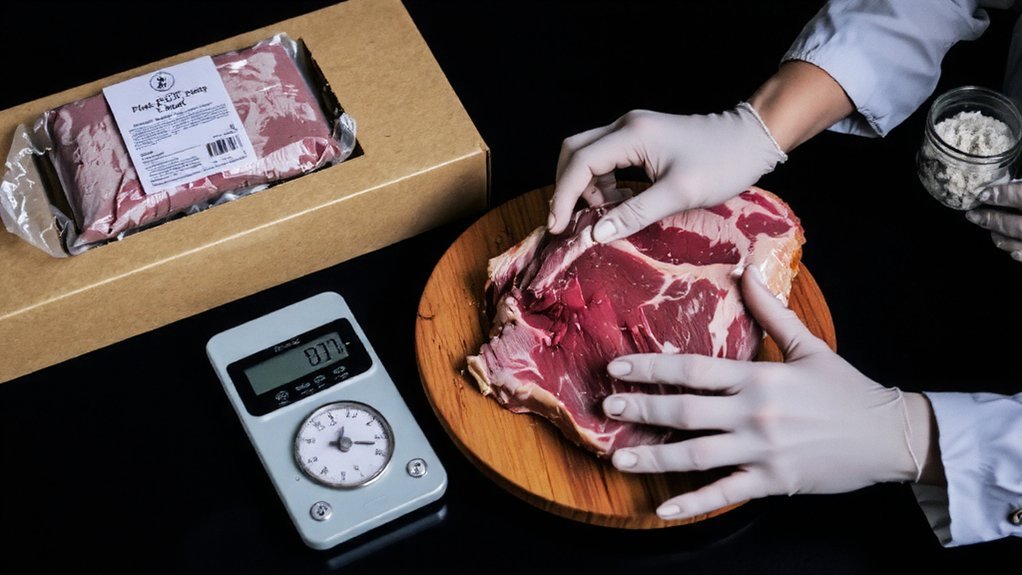
When the craving hits and your local case looks picked over, I go straight to the pros who ship brisket like it’s a love letter. You’re feeding people you care about, so you need butchers who respect the cut, trim smart, and pack cold. I’ve tried plenty, burned a few weekends, learned fast.
When the case looks picked over, trust pros who ship brisket like a love letter.
1) Crowd Cow: Traceable farms, beautiful marbling, and consistent sizing. You’ll get a brisket that behaves, so your cooking techniques shine.
2) Snake River Farms: Wagyu richness, tight packaging, and predictable thickness. Perfect when you want buttery slices and a bark that snaps.
3) Porter Road: Dry-aged options, honest trimming, and friendly guides. Their brisket recipes and tips feel like a pitmaster whispering, “Relax, you’ve got this.” Order, unwrap, breathe in, get to work.
Price Comparison and Value Breakdown
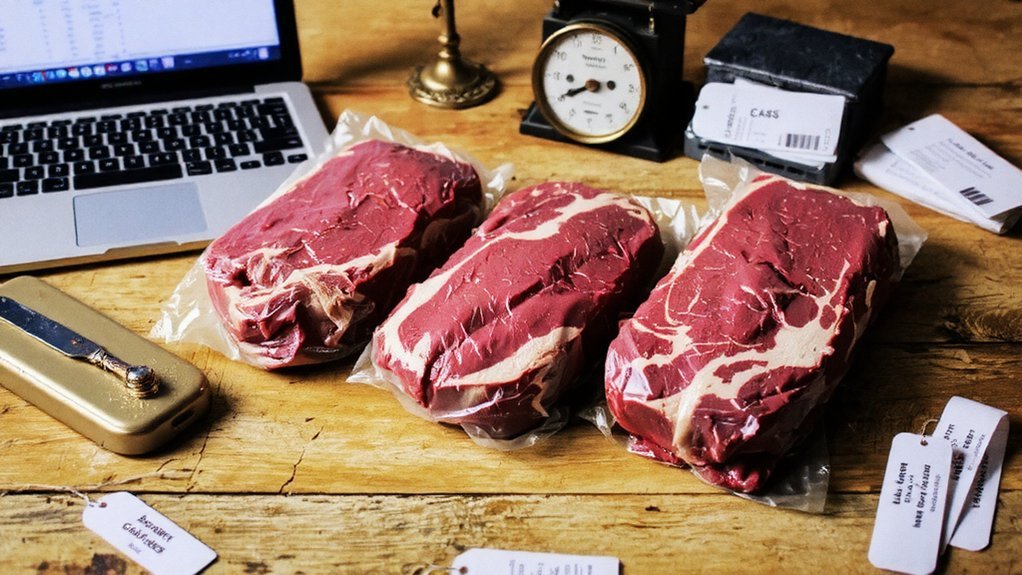
Before you click “add to cart,” let’s stack these briskets side by side and follow the money. You’re cooking for people you love, so every dollar should serve the plate, not the hype. Here’s the brisket pricing reality: choice grade runs cheapest per pound, prime bumps marbling and price, and Wagyu, well, that’s the velvet sofa of beef. Do a quick cost comparison: price per pound, trim level, and actual yield after fat. I measure with a kitchen scale, then smile, or cry.
Ask: whole packer or flat only? Extra trimming costs more, but saves your prep time. Look for transparent sourcing, consistent grading, and honest weights. Discounts help, subscriptions sometimes shine. Bottom line: buy the best quality you can serve confidently, then let the smoke sing.
Shipping Speed, Packaging, and Freshness
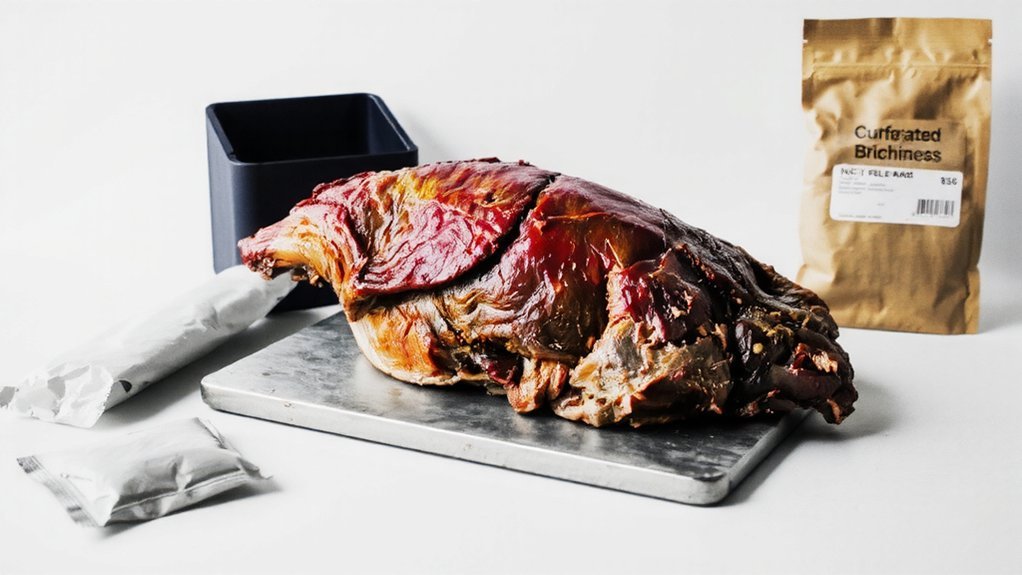
First, you want brisket that moves fast, so we’ll compare delivery timeframes—overnight, two-day, the “it’ll get there when it gets there” special. Then we’ll tear into packaging: thick insulation, hefty cold packs, zero soggy cardboard, because no one orders “room-temp roast.” Finally, we’ll check freshness on arrival—firm texture, deep color, clean beefy aroma—so you open the box, grin, and think, yep, that’s dinner.
Delivery Timeframes Compared
Though patience is a virtue, brisket cravings don’t care, so let’s talk speed, boxes, and bite-for-bite freshness. You’re feeding people, maybe a full table, so timing matters. I’ll shoot you straight: compare delivery logistics, not just pretty photos. Check shipping options, transit windows, and blackout dates. Fast is great, but predictable wins dinner.
1) Same-day/overnight: Best for surprise crowds. You’ll pay more, but that peppery bark aroma hits fast, juices still snug in the meat.
2) Two-day: Sweet spot for planning. You get reliable tracking, a steady chill, and brisket that lands ready for your rub and your schedule.
3) Ground, date-targeted: Budget-friendly, ideal for big events. Book early, confirm delivery by noon, and build your prep list around that doorstep drop.
Insulation and Cold Packs
Two things keep brisket brave in a box: insulation and cold packs, and you want both working like a tiny Arctic bunker. You’re feeding people you love, so I’m picky for you. Thick insulation materials lock out kitchen-ruining heat, while heavy cold packs wrestle temps down, mile after mile. I look for snug seams, zero air gaps, and tape that laughs at turbulence.
Here’s the quick snapshot you can feel in your hands:
| What You Want | Why It Matters |
|---|---|
| Rigid foam walls | Stable temps, fewer melty disasters |
| Reflective liners | Bounce heat, boost chill efficiency |
| Gel cold packs | Slow thaw, steady cold curve |
| Pack density | Fills space, stops warm pockets |
| Tight sealing | No leaks, no soggy boxes |
Order fast shipping, pair it with serious packaging, and you’ll serve confidently.
Freshness on Arrival
Because brisket’s a diva about temperature, freshness on arrival comes down to speed, smart packaging, and a box that stays cold like it’s sworn an oath. You want to serve folks proudly, so you demand tight turnaround, vacuum seals, and gel packs that still bite like winter. I’m with you—nothing’s worse than lukewarm disappointment.
Here’s how you nail it, every time:
- Choose 1–2 day shipping, with weekend holds, so transit’s short and drama-free. Ask for ship-date texts.
- Insist on thick insulation, rock-solid gel packs, and vacuum-packed slabs. Check arrival conditions: firm chill, no tears, no drip.
- Buy from sellers with clear freshness guarantees and easy replacements. Snap a photo on arrival, document temps, and contact support fast.
You’re not picky—you’re protecting dinner.
Dry-Aged vs. Wet-Aged Brisket Options
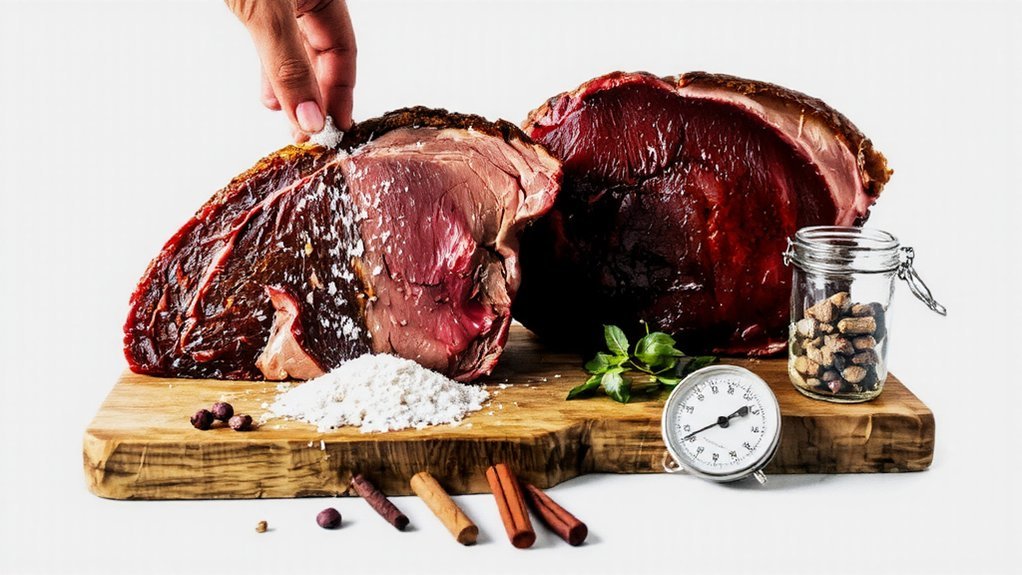
If you’ve ever argued with yourself in the meat aisle, welcome to the main event: dry-aged versus wet-aged brisket. You’re cooking for others, so let’s aim for applause, not polite nods.
Dry-aged brings concentration and swagger. The dry aging benefits are bold: moisture evaporates, beef flavor deepens, fat sweetens, and the bark roars when it hits heat. Think nutty aroma, buttery bite, a finish that lingers like a good story.
Wet-aged plays it smooth. Using careful wet aging techniques, the brisket rests in its juices, tenderizing quietly, keeping weight, staying juicy, landing that classic, beef-forward comfort. It’s dependable, budget-friendlier, and great for feeding a crowd.
Tips for Ordering the Right Size and Trim
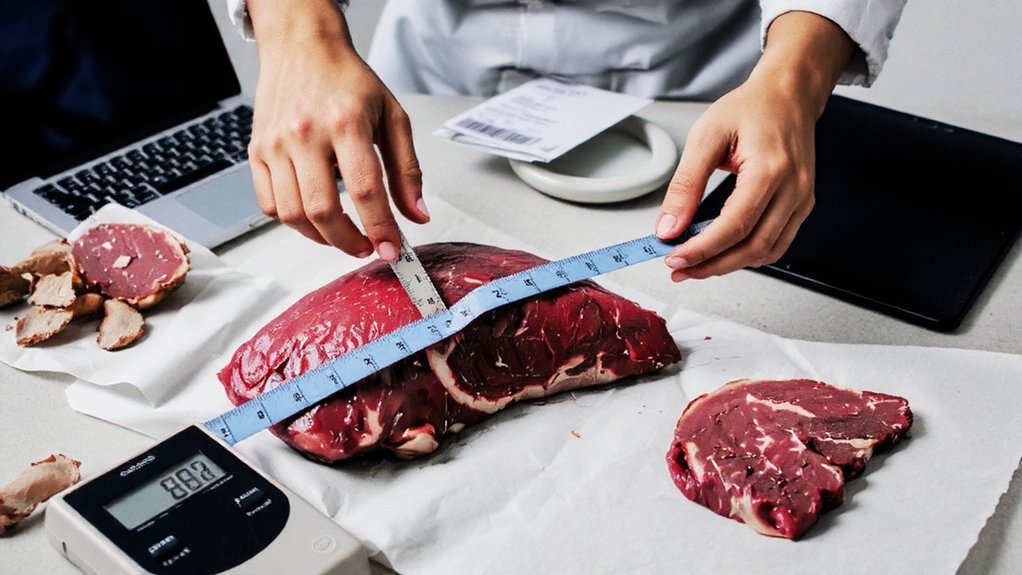
Still riding the dry vs. wet debate? Cool, now let’s nail the brisket you actually order. Think generous portions, clean slices, and happy plates all around. You’re feeding people, not stressing spreadsheets, so let’s make size considerations and trim preferences work for you, not against you.
1) Count mouths, then back-calc weight. Plan 1 pound raw per adult for packers, 1/2–3/4 pound for flats. Big eaters? Add a safety pound. Leftovers make you the hero.
2) Choose your cut: full packer for bark lovers and long cooks, flat for tidy slices and leaner bites, point for juicy, rich sandwiches. I won’t judge.
3) Dial the trim: “Competition” or 1/4-inch fat cap for even rendering, “butcher’s trim” for balanced fat, untrimmed if you like control—and a sharper knife.
Storage, Thawing, and Prep for Best Results
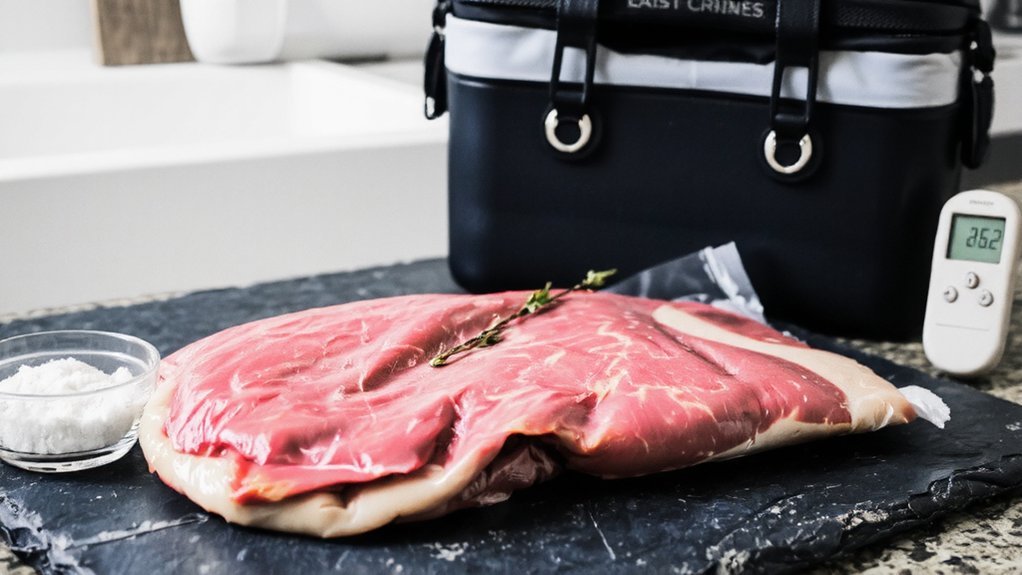
You picked the right size and trim, now let’s keep that beauty in fighting shape until it hits smoke. First, stash it cold. If it’s cryo-sealed, keep it unopened in the fridge for a week, maybe two; for longer, freeze flat, double-wrapped, air pressed out. That’s one of my favorite storage techniques—simple, safe, reliable.
Thawing methods matter. Best move: fridge thaw, two to three days, pan underneath, no drips on tomorrow’s salad. In a rush, cold-water bath, sealed bag, 30-minute changes, never warm water. When it’s pliable but still chilly, you’re golden.
Now prep. Pat dry, trim edges tidy, leave a quarter-inch fat cap for protection. Salt early, let it breathe an hour. Pepper, garlic, maybe coffee rub—fragrant, confident, generous, like you.