
You want brisket that sings on smoke, not whimpers on the plate. I’ll show you how to spot a packer with buttery marbling, a trim-ready fat cap, and that bendy, tender promise you can feel in your hands. We’ll sort Prime from “meh,” flat from point, grass-fed from grain-finished, and yes, when to splurge on Wagyu without selling your grill. Grab a cart, tap the briskets, and listen close—your next backyard legend starts with this choice.
Understanding USDA Grades: Prime, Choice, and Select
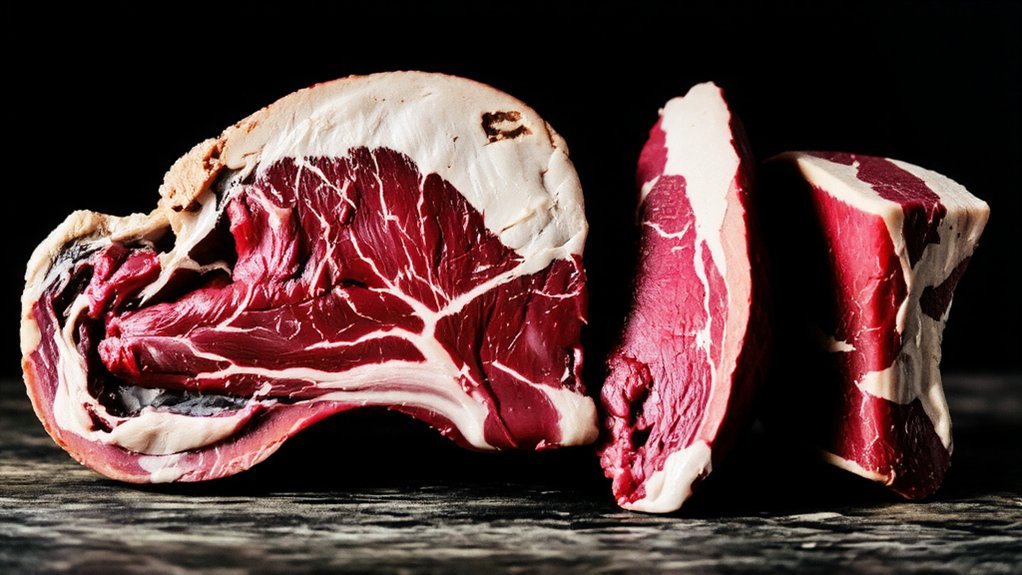
Even if you’ve stared at the meat case like it’s a high-stakes game show, USDA grades aren’t a mystery— they’re just about marbling, and marbling is flavor’s best friend. When you’re cooking for others, you want tenderness, juiciness, and that “wow” bite. USDA grading gives you quality indicators, fast.
Prime: rich white flecks, buttery fat, deep beef aroma. It renders slowly, kisses smoke, and delivers crowd-pleasing slices. Choice: solid marbling, balanced price, dependable moisture. With good technique, you’ll plate smiles. Select: leaner, cleaner, but less forgiving. It needs extra love—careful temps, patient timing—to stay tender.
Here’s my friendly nudge: choose the grade that fits your guests, your budget, and your plan. You bring the heart, the brisket brings the applause.
Packer Brisket vs. Flat vs. Point: Which to Buy
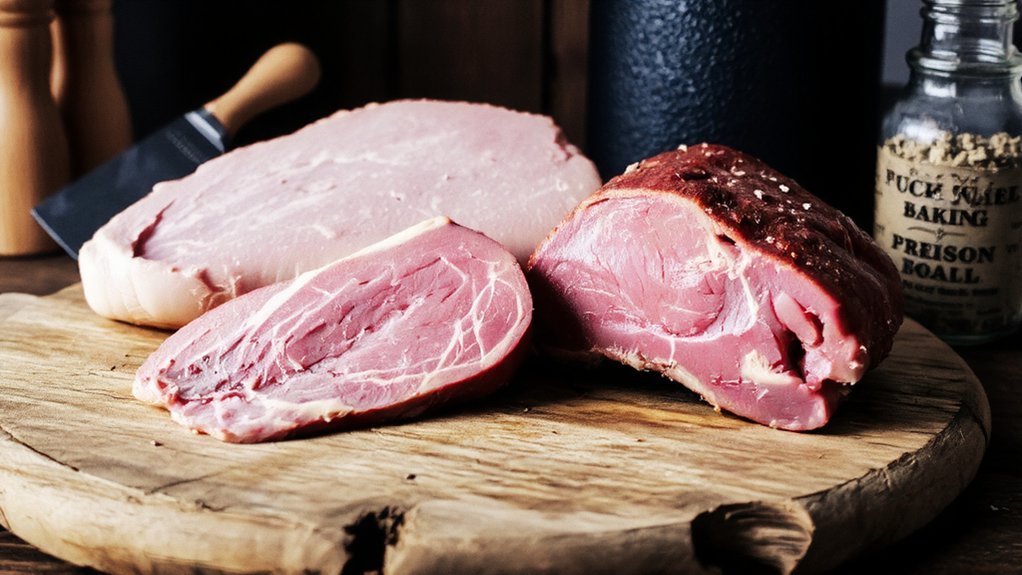
You’re staring at the meat case, and I’m that friend whispering, “Go packer,” because a whole brisket gives you control, bark galore, and juicy slices plus burnt ends in one glorious hunk. But you’ve got options: the flat is lean, slices neat, great for sandwiches; the point is fatty, marbled, melts, perfect for sticky, smoky nuggets. Pick your adventure, I’ll bring the salt, pepper, and an unreasonable amount of patience.
Whole Packer Benefits
Although the flat and point each have their charms, the whole packer is the brisket you buy when you want the full experience—fat, flavor, and forgiveness. You’re feeding people you love, so you want margins, not maybes. That’s where the whole packer advantages shine. You get bark and tenderness across the board, plus that deep whole packer flavor that turns a quiet table into applause. I’ll be honest—I cook it when I want hero status with wiggle room.
Here’s why it serves your crowd best:
1) Balanced moisture, from lean slices to juicy burnt ends.
2) Bigger thermal mass, steadier temps, fewer panic moments.
3) More surface area, more bark, more smiles.
4) Flexibility in slicing, plating, and leftovers—sandwiches, tacos, midnight raids.
Flat vs. Point Differences
Because brisket wears two personalities, let’s size them up before you swipe your card. The flat runs lean, long-grained, tidy as a church kitchen. It slices like satin, feeds a crowd cleanly, and loves steady heat. Use smart flat cooking techniques: even trimming, tight bark, gentle spritzing, a calm 250°F cruise, then a snug rest. Your servers will thank you.
Now the point, oh my. It’s marbled, wobbly, a flavor bomb waiting to happen. Think burnt ends, shimmering fat, sticky edges, big smiles. Point flavor profiles scream smoke, sweet, and savory, with a bass note of beefy richness. If guests crave indulgence, buy the point. Can’t decide? Grab a whole packer, ride both tracks, and plate slices and cubes—grace and grit, side by side.
Marbling, Texture, and Flex: What to Look For at the Counter
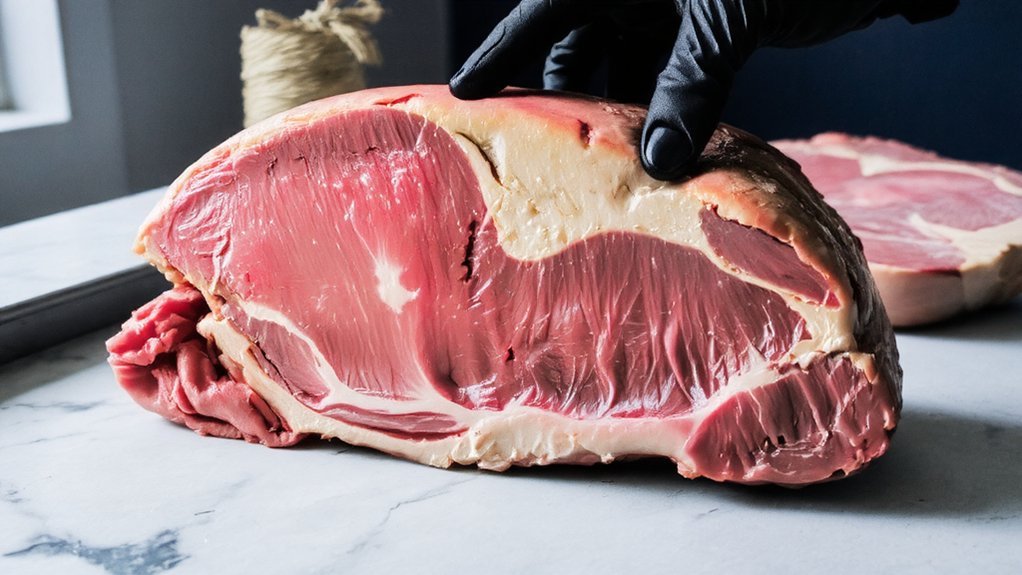
Step up to the meat case with a game plan, not googly eyes. You’re here to serve a crowd, not gamble on dinner. First, marbling importance: look for thin white veins, evenly spread, like a gentle snowstorm. That fat melts, bastes the meat, and keeps slices juicy for second helpings. Next, texture evaluation: run a finger along the grain—tight but not rigid is ideal. I tap the deckle, then lift one end; good brisket bends like a lazy hammock, not a 2×4.
Here’s your quick-hit checklist:
1) Even marbling, no big waxy clumps.
2) Firm, cool surface, slight tack, not slick.
3) Flexible packer; strong bend without cracking.
4) Fat cap about a quarter inch, smooth, not crumbly.
Nod to the butcher, claim your prize.
Grass-Fed, Grain-Finished, and Feed Programs Explained
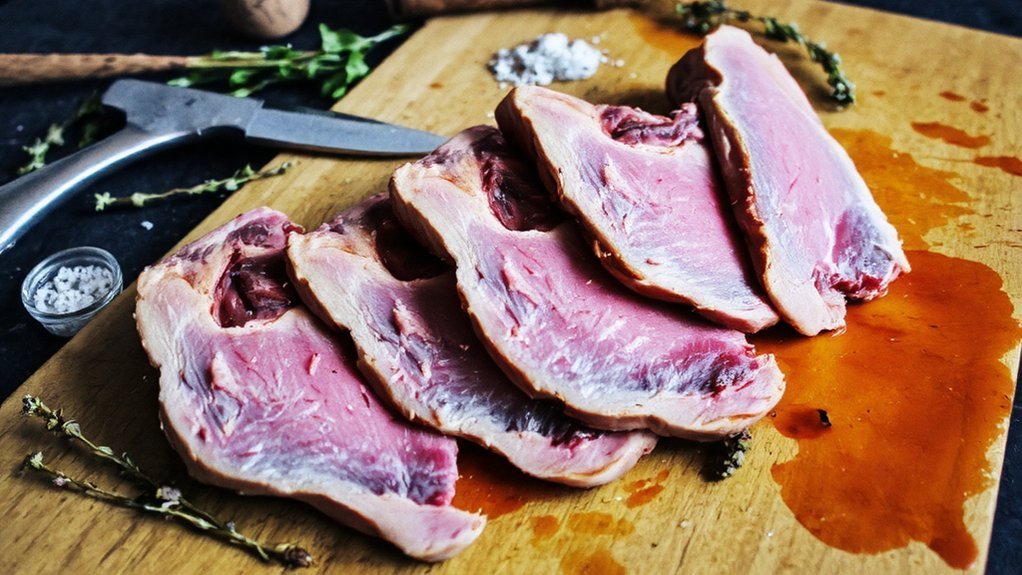
You want that clean, meadowy grass-fed flavor—leaner bite, brighter beef notes, a little wildflower on the nose—but you also want smoke to hug it, not fight it. I’ll help you read those feed program labels like a pit boss: grass-fed, grain-finished, pasture-raised, all-natural—what’s real, what’s marketing, what actually changes your bark and juiciness. Grab the brisket, flip the tag, and let’s sort the signal from the sizzle.
Grass-Fed Flavor Profile
While the fire settles and your rub gets tacky, let’s talk what’s actually on the cow’s menu—because it writes the flavor script for your brisket. Grass-fed brisket brings a clean, meadowy aroma, a touch of minerality, and leaner, tighter grain. You’ll taste bright beef, not buttery dessert. Grain-finished turns that dial to caramel, with softer fat and a rounder, sweeter bite. Both can serve a crowd well—you just choose the lane that best loves your guests.
Here’s how I frame it when I’m cooking for others:
- Grass fed benefits: brighter beef flavor, firmer bark, cleaner finish.
- Grass fed sourcing: ask about pasture rotation, regional grasses.
- Grain-finished: richer marbling, deeper Maillard sweetness.
- Your move: season boldly, render patiently, slice generously.
Feed Program Labeling
Flavor’s only half the story; the sticker on the package tells you how it got there. “Grass-fed,” “grass-finished,” “grain-finished,” “pasture-raised”—they’re not romance words, they’re roadmaps. You’re choosing feed program types, not just vibes. Grass-fed usually means leaner brisket, deep mineral notes, a little chew. Grain-finished leans buttery, thicker cap, easier bark. Grass-finished stays grassy to the end, bright and clean. Pasture-raised adds sunshine and forage variety, but labels vary, so read closely.
Here’s the service play: match the label to your guests. If Aunt May wants rich slices, grain-finished wins. If your crew loves bold, grassy smoke, go grass-finished. Check marbling, fat color, and certification. Better feed equals different nutritional impact, from omega-3s to fat texture. You trim, rub, smoke, they feel cared for.
Breed Matters: Angus, Wagyu, Akaushi, and Crosses
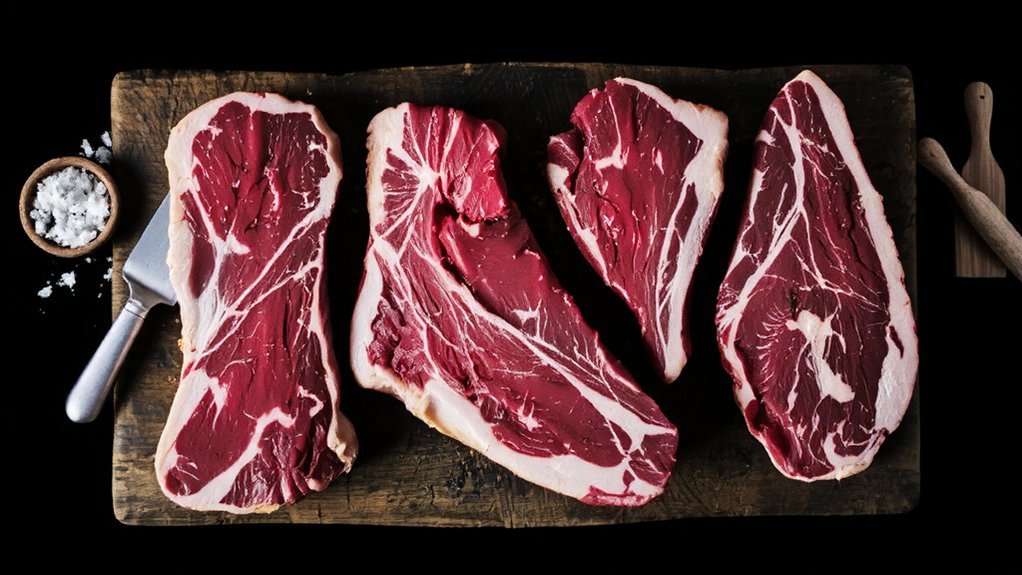
Because brisket isn’t just meat, it’s a pedigree, let’s talk breeds—Angus, Wagyu, Akaushi, and those crafty crosses that make pitmasters grin like they found gold under the bark. You’re cooking for people you care about, so choose with purpose. Angus benefits? Reliable marbling, beefy depth, steady performance under smoke. Wagyu richness? Butter-soft fat that melts, glossing slices like lacquer. Akaushi tenderness? Silky bite, gentle sweetness, a clean finish that makes guests pause, then smile. Crossbreeding advantages? Hybrids bring balance—flavor, marbling, and value, without diva-level fuss.
Here’s how I’d steer you, especially when you’re feeding a crowd with heart:
1) Pick Angus for crowd-pleasing beefiness.
2) Use Wagyu for luxe, special moments.
3) Choose Akaushi for elegant softness.
4) Grab crosses for smart, dependable wins.
Sizing and Thickness: Matching Brisket to Your Smoker
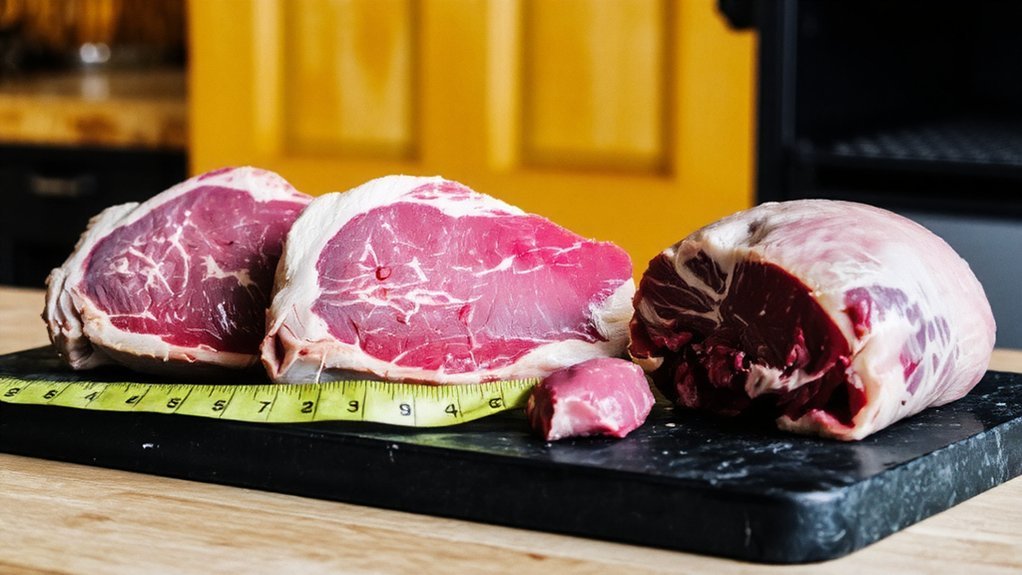
Even before you light a chimney, your brisket’s size and thickness decide the whole day—cook time, bark, moisture, and whether you nap or panic at hour nine. Measure your grate, check your smoker capacity, then pick a brisket that actually fits without wedging like a couch in a stairwell. I want you serving plates, not apologies.
Go weight first: 12–15 pounds suits most backyard rigs, leaves airflow, and won’t hijack your Sunday. Now thickness preference: aim for a flat that’s at least 1.25 inches at its thinnest, so it doesn’t dry out before the point finishes. Uniform thickness equals even rendering, steady temps, fewer spritzes.
If your pit runs hot, choose thicker; if it hums at 225, moderate works. When in doubt, scale down, not up.
Trimming Potential and Fat Cap Considerations
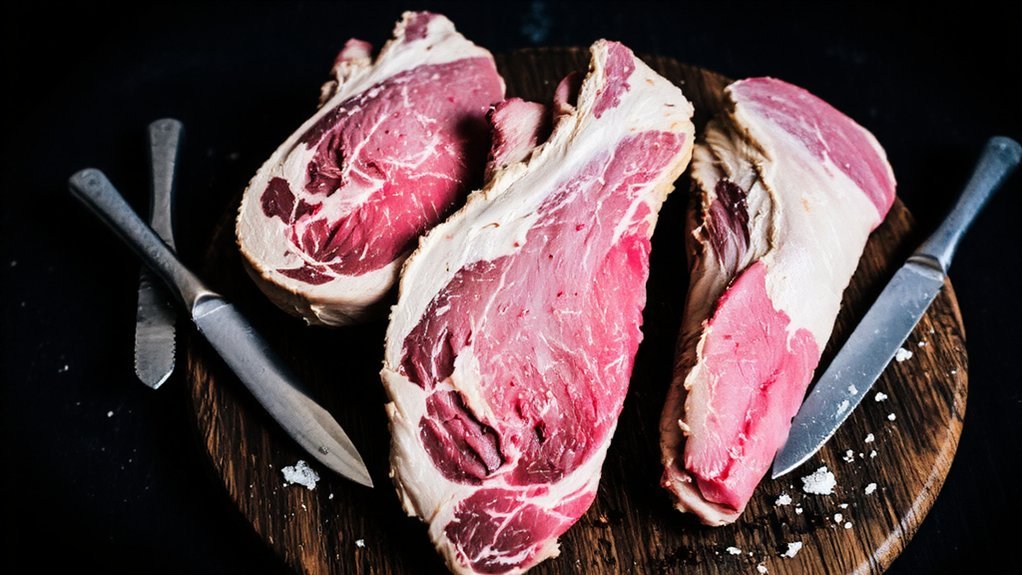
You’re about to make blade-worthy cuts, so watch the fat cap—aim for about a quarter inch, enough to baste without drowning the bark. Feel the fat: hard, waxy chunks won’t render and need trimming; soft, squishy fat melts like butter and earns a pass. Trim smooth and even, square the edges, and open meat surfaces for rub to grab—hello, crisp bark, goodbye greasy slip-n-slide.
Optimal Fat Cap Thickness
While the fire whispers and the meat sweats, the fat cap is your brisket’s built-in basting brush, and trimming it right makes or breaks the cook. You’re cooking to serve, not to show off, so chase ideal thickness, not bragging rights. I like a tidy 1/4 inch—thin enough to render, thick enough to shield. Glide your knife, feel the give, follow the fat distribution so every slice stays juicy.
Here’s the simple playbook:
- Trim to 1/4 inch across the flat, feathering to the point.
- Smooth ridges and knobs so heat flows evenly.
- Keep edges neat, or they’ll char and taste bitter.
- Face the fat cap toward the heat source for protection.
You’ll carve clean slices, glistening, beefy, and share-worthy.
Hard Vs Soft Fat
Road map in hand, let’s talk fat personalities: hard vs soft. You’re choosing a brisket to bless a crowd, so feel the deckle and cap like a pro. Hard fat benefits? Structure. It carves clean, trims predictably, shields heat, and renders slower, feeding the meat in steady drips like a metronome. Soft fat drawbacks? It squishes, smears your knife, melts too fast, and leaves thin spots you didn’t plan—hello hot spots.
Here’s how I test it: press with a thumb, then a knuckle. Hard fat pushes back, like cool candle wax. Soft fat slumps, like lotion in July. Aim for firm, pearly edges, not greasy pillows. Trim to even, aerodynamic lines. You’re curating a gentle melt, not a slip-n-slide. Serve them comfort, not chaos.
Trimming for Bark
Fat personality sorted, let’s put a knife to work and shape this thing for bark. You’re trimming with care, I’m coaching with coffee. Aim for clean edges, smooth planes, and a fat cap that’s helpful, not bossy. Use trimming techniques that expose meat for rub contact, while keeping enough insulation for steady heat. I like a tapered cap—thicker on the point, leaner on the flat—so bark development stays even, bite to bite.
Here’s the simple playbook:
- Leave 1/4 inch fat cap, even, not lumpy.
- Shave hard fat seams; they won’t render, they’ll sulk.
- Square thin edges; prevent curling, promote smoke kiss.
- Open the deckle pocket slightly; airflow equals crust magic.
You’re serving comfort. Trim like it matters—because it does.
Fresh, Wet-Aged, or Dry-Aged: Flavor and Tenderness Tradeoffs
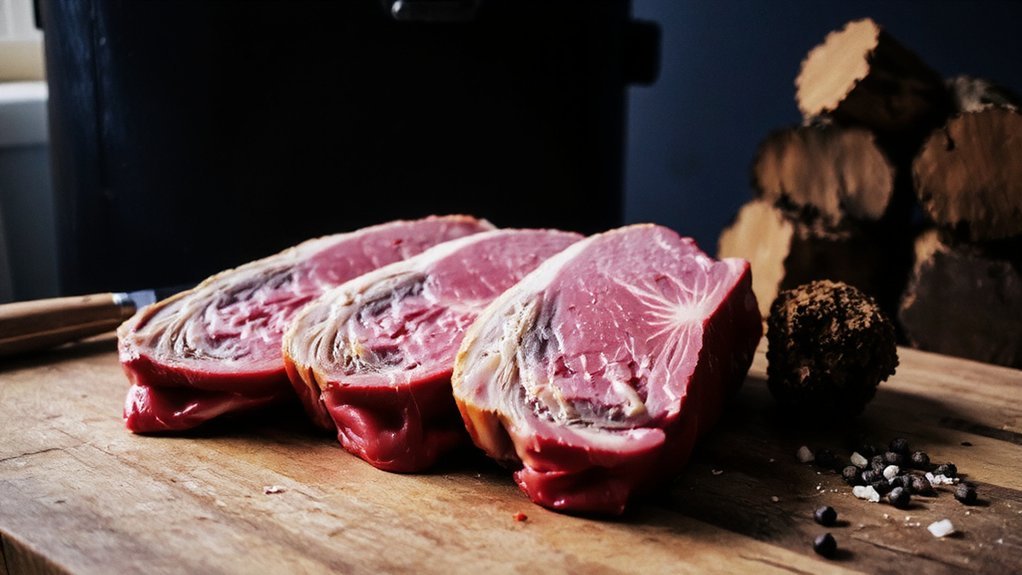
Because brisket gives you choices, you’ve got to pick your adventure: fresh, wet-aged, or dry-aged—and each one swings flavor and tenderness in a different lane. I’ll shoot you straight. Fresh pops with clean beefiness, bright and honest, but it can chew a little tougher if you rush it. In the fresh vs. wet aged debate, wet-aged rides in cryovac, juices stay put, collagen loosens, and tenderness comparisons tilt in its favor, with a slightly metallic, roast-beef vibe.
Dry-aged? Oh my. Concentrated funk, nutty aroma, deep mahogany edges. It slices like a gentleman’s handshake—firm, then yielding. You’ll render less moisture, so mind your temps, baste, and protect the flat. Serving a crowd? Choose reliable wet-aged. Cooking for flavor chasers? Dry-aged steals hearts, and plates.
Where to Buy in 2025: Butchers, Big-Box, Online, and Ranch Direct
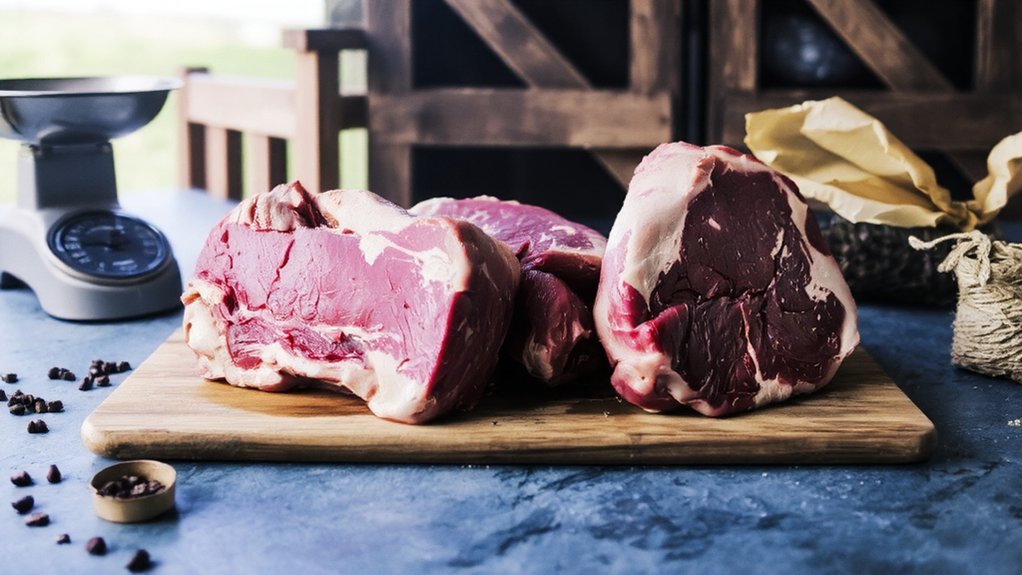
Maps and meat thermometers out, we’re shopping smart in 2025. You’ve got options, and I’m your brisket wingman. Start with your local butcher: shake hands, ask for packer grades, eyeball marbling like you mean it. Big-box stores? Great for volume, mixed for consistency—dig through cases, find flexible fat caps, avoid frayed edges. Online retailers shine for rare grades and heritage breeds, delivered ice-cold, labeled, traceable. Ranch direct brings you close to the herd—transparent practices, distinct terroir, brisket that smells clean, almost sweet.
Maps out, thermometers ready—your brisket wingman for smart 2025 shopping, from butcher to ranch.
Here’s how you choose like a pro:
1) Ask for full packers, 12–16 pounds, even thickness.
2) Bend test: brisket should drape over your palm.
3) White, firm fat; fine, spiderweb marbling.
4) Reliable cold-chain, clear harvest dates, responsive service.
When to Splurge and When to Save: Budgeting for Your Cook
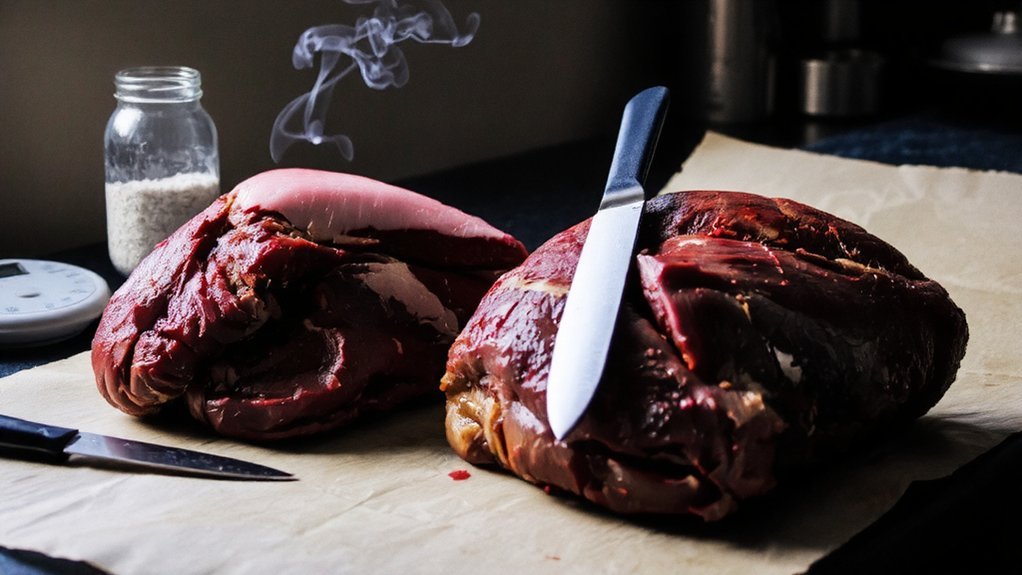
You’ve got your sourcing game tight—butcher on speed dial, big-box bingo card filled—so let’s talk where your money actually matters. Splurge on the meat when you’re feeding guests you love: whole packer, solid marbling, consistent thickness. That’s your hero. Save on extras: generic salt, store-brand foil, wood from a reputable bulk source. I’m not paying ribeye prices for paper towels, you shouldn’t either.
Here’s the cost analysis: price per pound, expected trim loss, yield. Do the math, then breathe easy. My quick budgeting tips: buy larger briskets for better value, freeze leftovers flat for tacos, borrow gear before upgrading. Spend on a good thermometer, save on fancy rubs—your pantry can sing. Serve hot, rest long, slice clean, accept applause.