
Let’s fix that tough brisket you’re side-eyeing like it betrayed you. You probably rushed the cook, rode a roller-coaster pit temp, or wrapped late and watched it dry out like a bad mystery. Maybe you grabbed the wrong cut, sliced it wrong, or forgot to let it nap. I’ve made all those mistakes, twice, with witnesses. Grab a thermometer, some foil, and a little patience—because the juicy slice you wanted is closer than you think.
You Didn’t Cook It Long Enough
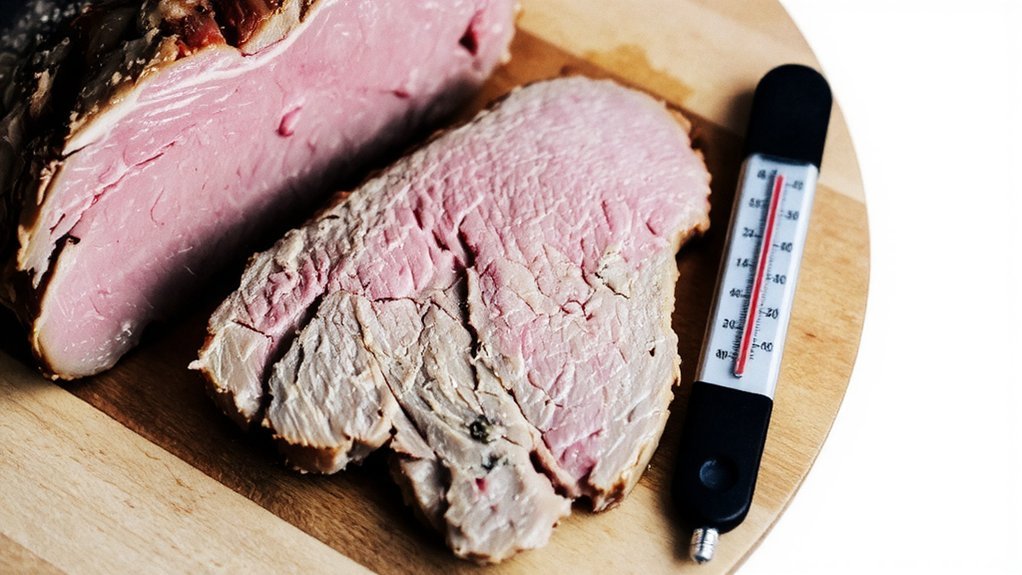
Even if you nailed the rub and kept the smoker steady, brisket throws a tantrum if you don’t give it time. You’re cooking kindness here, not just meat, and patience is your sharpest knife. Collagen needs hours to melt, to turn tight muscle into buttery slices that make folks close their eyes, grin, and grab another plate.
Let’s talk cooking times. Don’t chase the clock, serve the feel. Probe tender beats numbers. When a skewer slides in like warm butter, you’re close. If it still grabs, keep cooking. I know, the bark looks perfect, the neighbors are hovering, the platter is lonely. Wait anyway.
Shield, rest, then slice. That’s how brisket texture turns from squeaky chew to velvet sigh, and your guests feel loved.
Your Pit Temp Was Too Hot or Too Unstable
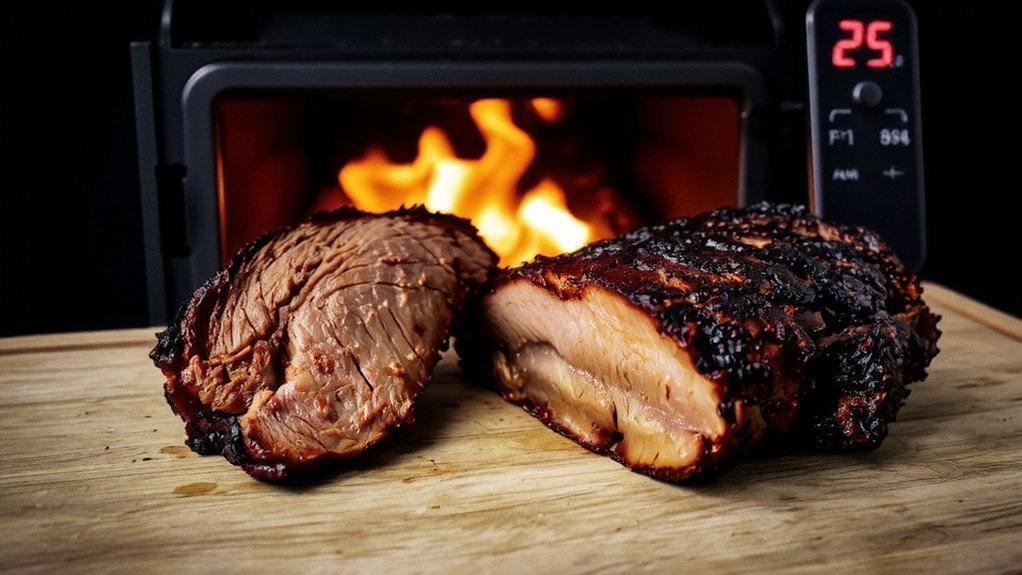
When the pit runs hot or swings like a mood ring, brisket tightens up and fights back. You’re asking tough collagen to relax while blasting it with chaos, and chaos wins. Those temperature fluctuations squeeze juices out, dry the edges, and bully the bark into bitterness. I want your guests smiling, not sawing.
You Skipped the Stall Strategy or Wrapped Too Late
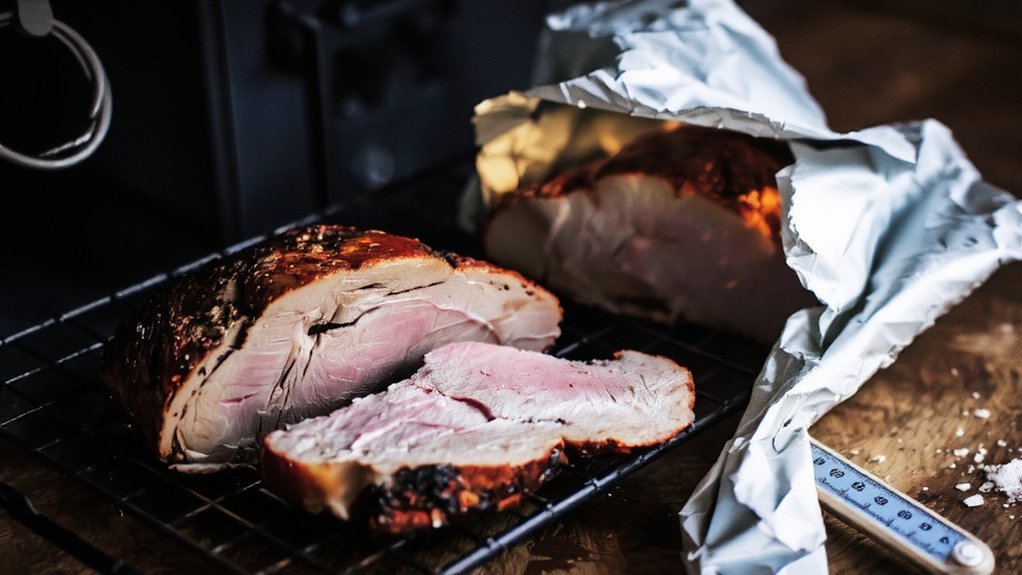
Although it feels heroic to power through the stall, skipping a wrap or waiting too long turns your brisket into a desert hike with no water. You lose moisture, bark goes from bold to brittle, and your guests chew politely, praying for sauce. I’ve been there, cape on, meat dry.
Here’s the fix. Use stall techniques that respect evaporation. Watch internal temp, feel the surface, listen for that soft hiss. When the bark sets—dark, tacky, not flaking—hit your wrapping timing. Foil for speed and juiciness, butcher paper for balance and smoke. Wrap tight, back on the pit, steady heat, no hero moves.
Cue the payoff: collagen melts, slices bend like a handshake, juices bead and glisten, and your table goes quiet, grateful.
You Didn’t Let It Rest Properly
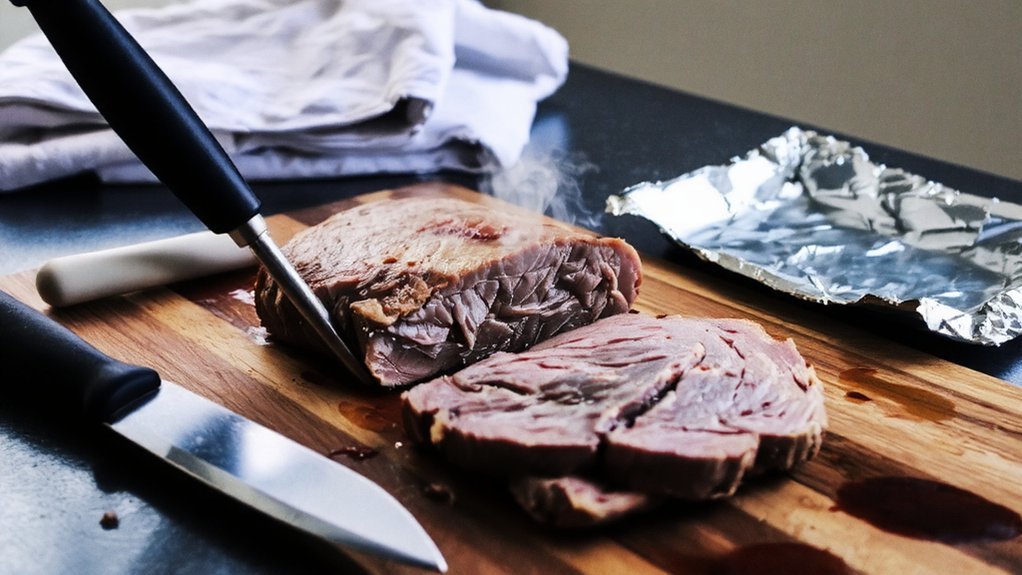
Because impatience is the quiet brisket killer, you sliced too soon and watched those hard-earned juices sprint onto the cutting board like they were late for a flight. I get it—you wanted to serve fast. But brisket needs a pause, not a photo finish. When you rest it, juices redistribute, collagen relaxes, and tenderness blooms.
Here’s the play: pull it when probe-tender, vent the bark five minutes, then wrap loosely in butcher paper or foil, and hold in a dry cooler or warm oven. Target a resting duration of 1 to 2 hours for flats, 2 to 4 for packers. Use these resting techniques to protect moisture and serve slices that glisten, not weep. Patience isn’t fancy, it’s hospitality on a plate.
You Trimmed or Chose the Wrong Brisket
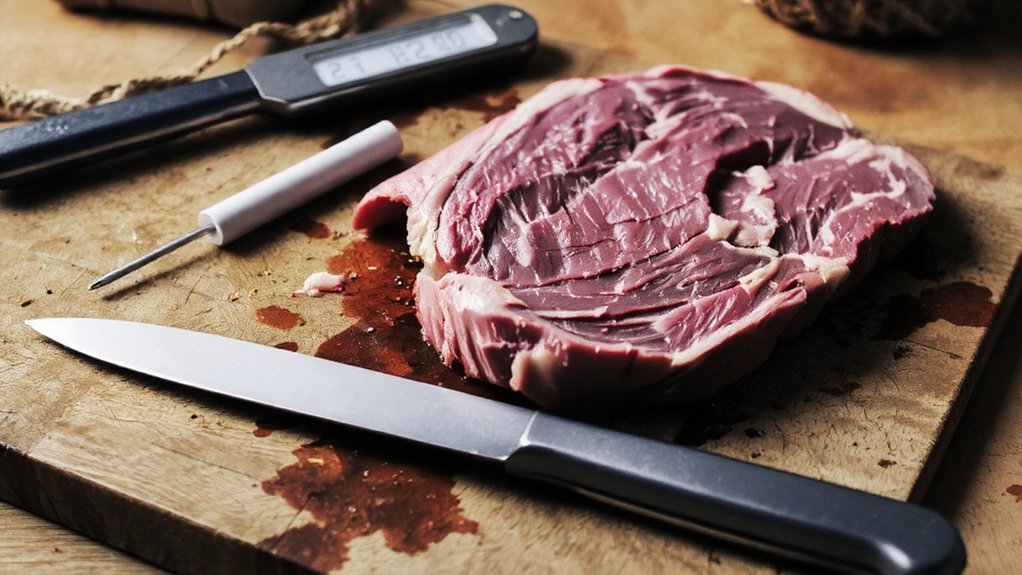
Sure, your fire was dialed and your rub slapped, but the brisket itself? That’s the quiet saboteur. Brisket selection matters more than your playlist. If you grabbed a flat that’s too lean, or hacked off the protective fat, you cooked courage without a shield. Let’s fix that, so you can feed folks soft, buttery slices, not boot leather.
- Look for a full packer, 12–16 pounds, flexible like a loose paintbrush.
- Choose even marbling, tiny white flecks, not giant fat rivers.
- Aim for a flat and point that feel similar in thickness, no sharp tapers.
- Trim techniques: leave 1/4 inch fat cap, smooth edges, remove hard knots.
- Pick Grade and source wisely; consistency beats mystery meat.
Select smart, trim smarter, serve proudly.
You Sliced Against the Grain Incorrectly
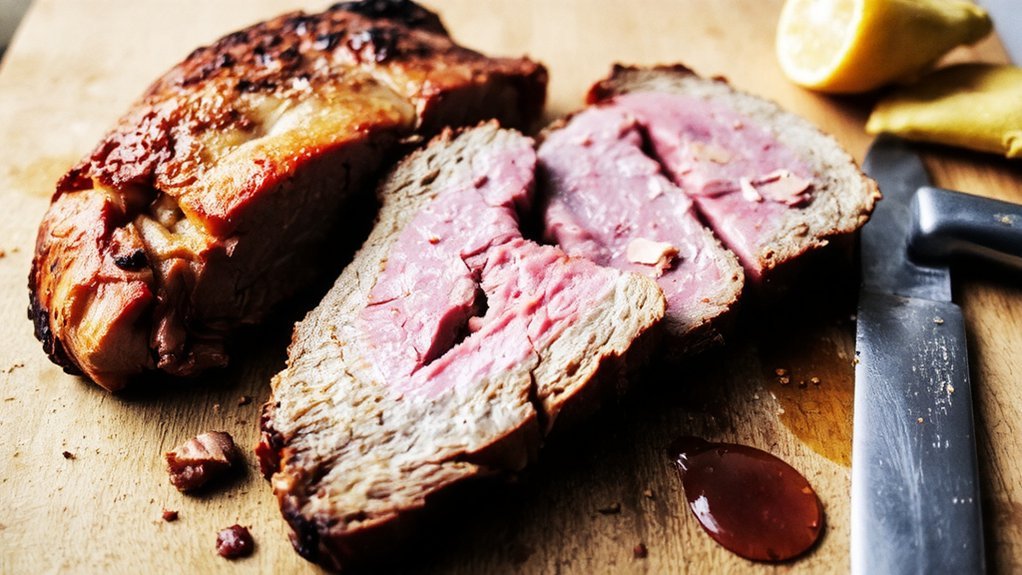
Grain-blind slicing turns tender magic into chew-toy misery, and I’ve done that walk of shame, jaw aching, guests politely sawing. So let’s fix it. First, locate the grain direction before you ever touch a knife. Look for those long, parallel muscle threads, like tiny ropes. Rotate the flat so you’ll cut perpendicular to them. That’s your slicing technique: short crosswise strokes, thin, even slices, quarter-inch for the flat, a bit thicker for the point.
Here’s the move I wish I learned sooner: separate the flat and point after the rest, then reorient each. The grain switches at the seam, sneaky as a magician’s hand. Trim the edge clean, make a starter slice as a “heading,” then follow it. Keep the knife long, sharp, gliding, not sawing. Serve smiles, not workouts.
Your Moisture Management Was Off (No Bark Control or Dry Environment)
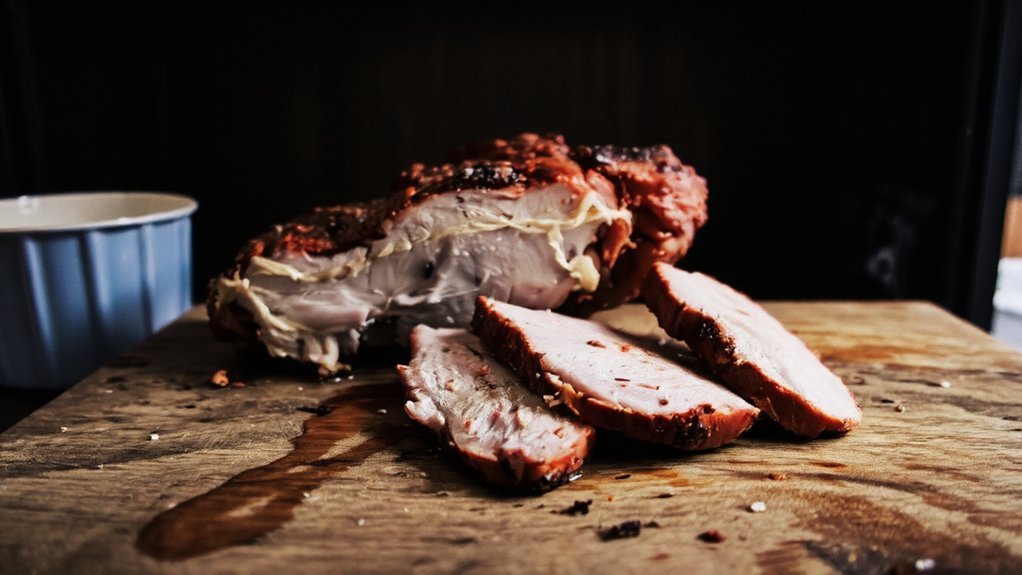
Even if your rub is perfect, a dry pit turns brisket into jerky with dreams, and a runaway spritz murders your bark before it’s born. You’re cooking to serve people, so manage moisture like it matters—because it does. Think balance: steady humidity for Moisture retention, restrained spritzing for Bark development. I’m bossy here because I’ve wrecked enough slabs to earn the lecture.
- Thin blue smoke, 250°F, water pan half-full, steady as a deacon.
- Spritz lightly after bark sets (about 165°F), then holster the bottle.
- Seal leaks, keep the lid closed, stop chasing temps like a squirrel.
- Wrap when color is mahogany and bark feels gritty, not gooey.
- Rest in a cooler, towels around, juices reabsorbing like applause.
Get that right, and your slices whisper thank you.