
Here’s a curveball you probably don’t know: brisket comes in two parts—the lean flat and the juicy point—and they don’t hit your body the same way. You love that smoky bark, I get it, but what’s under it—protein, iron, zinc, and yep, saturated fat—really calls the shots. Trim a little, season smart, watch the sodium, and you can have your slice without the side-eye. Curious which cut, cook, and plate make the smartest move?
What Exactly Is Brisket? Flat vs. Point Cuts
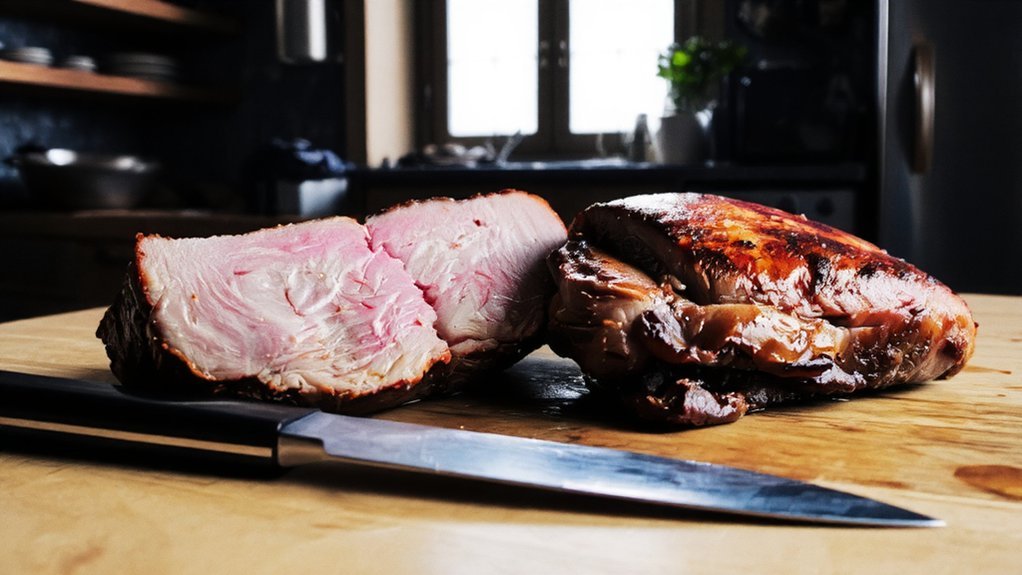
Beef geometry, that’s brisket in essence. You’re working with the chest of the steer, a hardworking muscle that rewards patience, kindness, and good heat management. Two main brisket types matter: the flat and the point. The flat is lean, long, and even, great for tidy slices you can plate with pride at a church supper. The point is thicker, marbled, bumpy with fat—juicy, unctuous, and perfect for burnt ends that make folks close their eyes mid-bite.
Here’s the move. Choose cooking methods that respect the cut. Low-and-slow smoking lets collagen melt, braising turns fibers silky, and oven roasting keeps service simple. Trim wisely, season generously, and watch temp like a hawk. Serve with confidence, accept compliments with humility, then pretend you’re not blushing.
Brisket Nutrition: Calories, Protein, Fat, and Key Micronutrients
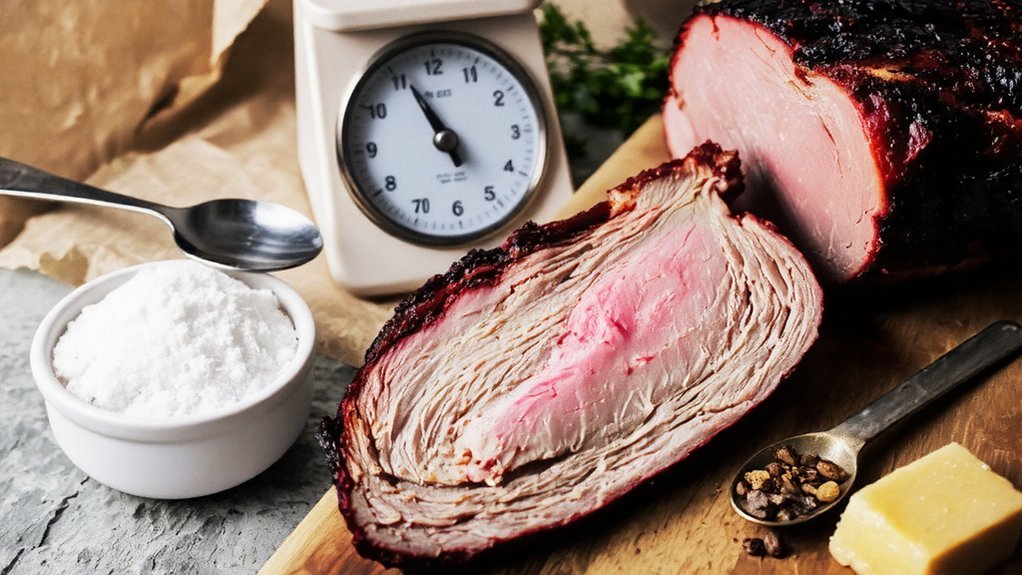
Although the smoke rings and juicy slices steal the spotlight, the numbers matter too—because brisket brings serious fuel. You’re feeding a crowd, so let’s talk basics. A 3-ounce cooked serving lands around 240–300 calories, depending on brisket cuts and trim. Protein hits roughly 20–24 grams, firm and filling. Fat swings wide: the point packs more, the flat runs leaner. Trim visible fat before cooking, and your brisket preparation instantly lightens up.
Now the micronutrients. You’ll get iron, zinc, and B vitamins in meaningful amounts, plus selenium and phosphorus. Sodium mostly comes from rubs and injections, so go easy there. Want consistency? Use a kitchen scale, note your trim, and log servings. Serve slices with bright slaw, roasted veggies, or beans, and you’ve got balanced, generous plates.
Health Benefits: Protein Quality, Iron, Zinc, and B Vitamins

You’re not just eating brisket, you’re cashing in on high-quality, complete protein that helps you repair muscle, stay full, and feel steady. You also score iron and zinc in serious amounts, the kind that support oxygen delivery, sharp immunity, and that “I can actually focus” energy. I’ll keep the napkins handy, you bring the appetite, and we’ll talk B vitamins next—because they’re quietly running the show.
High-Quality Complete Protein
Steam curls up from a slice of brisket, and I’m already thinking about the protein play it’s making. You want to fuel people well, not just fill plates, and brisket helps you do that. It’s a high-quality complete protein, delivering all nine essential amino acids your body craves for muscle repair, recovery, and stamina. Compared to many protein sources, this one brings savory satisfaction and steady strength, bite after bite.
Here’s the quick rundown:
1) Complete amino acid profile, so your body gets the build-and-repair kit in one go.
2) Solid support for muscle repair after long shifts, tough workouts, or marathon volunteer days.
3) B vitamins in the mix, helping you turn food into energy, so you can keep showing up, steady, calm, and ready to serve.
Rich in Iron and Zinc
Protein’s only half the story; brisket also brings the kind of minerals that keep your engine humming. When you slice into that tender bark and rosy center, you’re not just feeding yourself, you’re fueling the folks you care for. Brisket delivers heme iron, the kind your body grabs fast, boosting iron absorption and helping oxygen ride shotgun to muscles and brain. Translation: more stamina for real service.
Now, zinc. Quiet hero, loud results. The zinc benefits here support immune defense, wound healing, and steady hormones—handy when life gets messy and someone needs you calm, capable, present. Pair brisket with citrusy slaw to nudge iron absorption higher, add beans for fiber, and you’ve got balance. I’ll bring napkins. You bring seconds, and a grateful crowd.
Potential Drawbacks: Saturated Fat, Sodium, and Processed Preparations
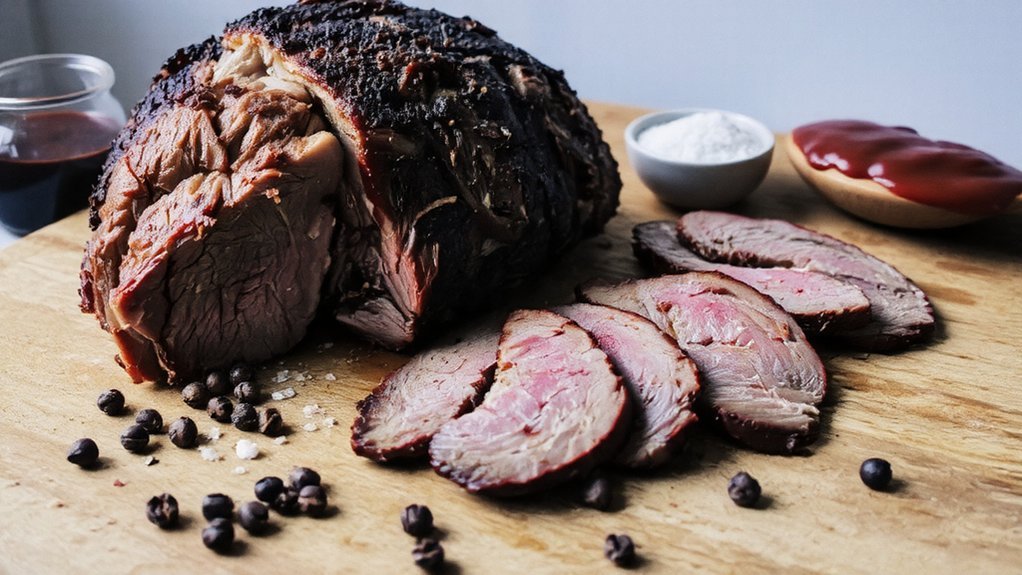
You love brisket, I get it, but you’ve got to watch the saturated fat—it can nudge up LDL cholesterol faster than a midnight snack raid. Those salty rubs and glistening sauces? They pack sodium, so your rings feel tight, your thirst hits hard, and your blood pressure might grumble. And processed versions—think cured, smoked, or deli-sliced—carry added preservatives, which crank up long-term health risks, so choose wisely, and yes, I’m side-eyeing that neon-pink pile.
Saturated Fat Concerns
Smoke rings are pretty, but saturated fat isn’t here to make friends. You care for people, I know, and that means minding heart health while you slice that juicy brisket. Brisket’s flavorful fat cap melts like butter, perfumes the air, and, yep, loads your plate with saturated fat. Delicious? Absolutely. A daily habit? Maybe not.
Here’s how you honor your guests and your goals:
1) Trim before you smoke, leave a thin quarter-inch cap for moisture, not a slab for show.
2) Slice against the grain, then serve leaner flat cuts first, save the fatty point for tiny, celebratory bites.
3) Balance the plate, pair modest brisket portions with bright slaw, beans, and crunchy veg—fiber rides shotgun.
Serve with love, not overload. Your heart—and theirs—will thank you.
Sodium From Rubs
Fat got its moment, but the salt shaker’s been working overtime backstage. You love to serve a generous slice of brisket, I get it, but rubs can send sodium content soaring. One tablespoon of a store-bought blend can pack hundreds of milligrams, and you’re massaging it into pounds of meat. Tasty, sure. Helpful to hearts and blood pressure? Not so much.
Let’s steer smarter. Build flavor with seasoning alternatives: coarse black pepper, fresh garlic, smoked paprika, cumin, toasted coriander, citrus zest. Add umami with coffee grounds, mushroom powder, or a splash of apple cider vinegar. Mix in herbs—rosemary, thyme, oregano—for aroma that rises like choir voices. Measure salt, don’t free-pour. Taste, rest, then adjust. You’re feeding people, not raising their blood pressure.
Risks of Processed Meats
Even when the bark snaps and the kitchen smells like victory, processed brisket products—think deli slices, pre-brined flats, cured ends—come with baggage. You’re feeding people you love, I get it, so let’s keep the celebration honest. Processed prep can crank up saturated fat, sodium, and additives, nudging real health risks. Tastes bold, sure, but your heart and blood pressure don’t applaud.
Here’s the quick, generous game plan:
- Check labels, aim low sodium, skip nitrites when you can, slice thinner, serve more veggies.
- Balance plates: pair a modest portion with beans, slaw, fruit, water, then watch the salt creep shrink.
- Rotate meat alternatives: smoked mushrooms, lentil “burnt ends,” or pulled jackfruit keep joy on the table, care in the lead.
Healthier Cooking Methods and Portion Strategies
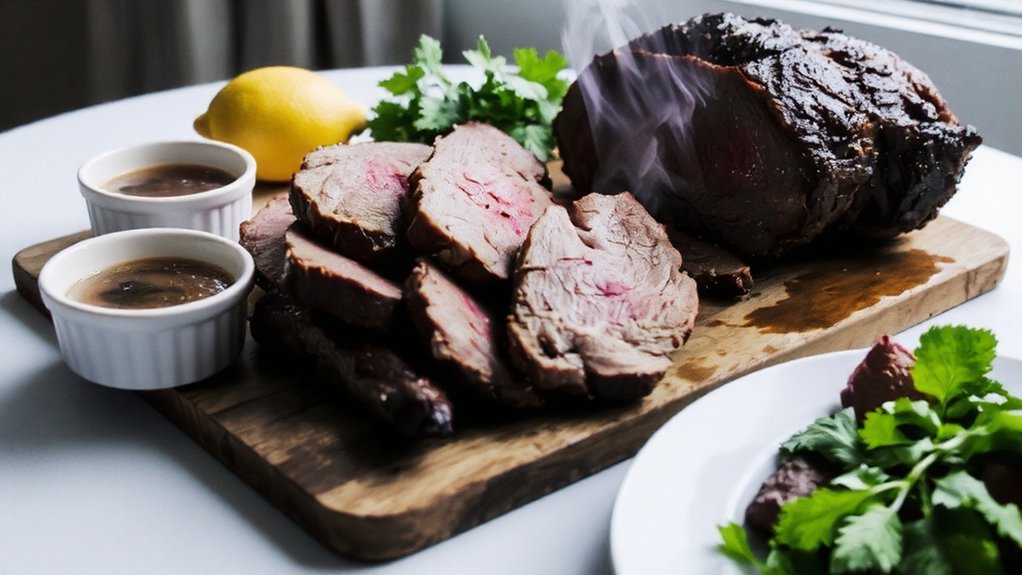
While the grill’s calling your name, let’s give brisket a glow-up that loves your heart as much as your taste buds. You’re feeding people, not a bonfire, so lean into smart grilling techniques: trim excess fat, keep heat moderate, and use indirect flames to prevent charring. Rubs over sugary sauces, always. I’m a fan of a pepper-garlic crust, smoke whispering around it, bark snapping clean.
Portion control matters when you’re serving a crowd with care. Slice against the grain, then plate 3 to 4 ounces per person, about a deck of cards. Build height, not heft, and pass the platter with a smile. Rest your meat, capture juices, skim the fat, drizzle the good stuff. Tender, balanced, generous—mission accomplished.
Smart Sides and Serving Ideas to Balance Your Plate

Because brisket brings the bass, your sides need to play lead guitar—bright, crunchy, fresh. You’re feeding people you love, so build a plate that sings, not shouts. I’m talking healthy grains, roasted vegetables, quick pickles, and a sauce with some zip. Think color, think texture, think balance.
Here’s how you nail it:
1) Pile on roasted vegetables—carrots, Brussels sprouts, peppers—olive oil, salt, high heat, blistered edges, sweet aroma.
2) Spoon over healthy grains: garlicky farro, lemony quinoa, or brown rice with herbs. They soak up juices like grateful guests.
3) Add something crisp and acidic: shaved cabbage slaw, dill cucumbers, or fennel-apple salad. Boom, palate reset.
Finish strong: a citrusy yogurt drizzle, toasted nuts for crunch, fresh herbs, then stand back and accept compliments.